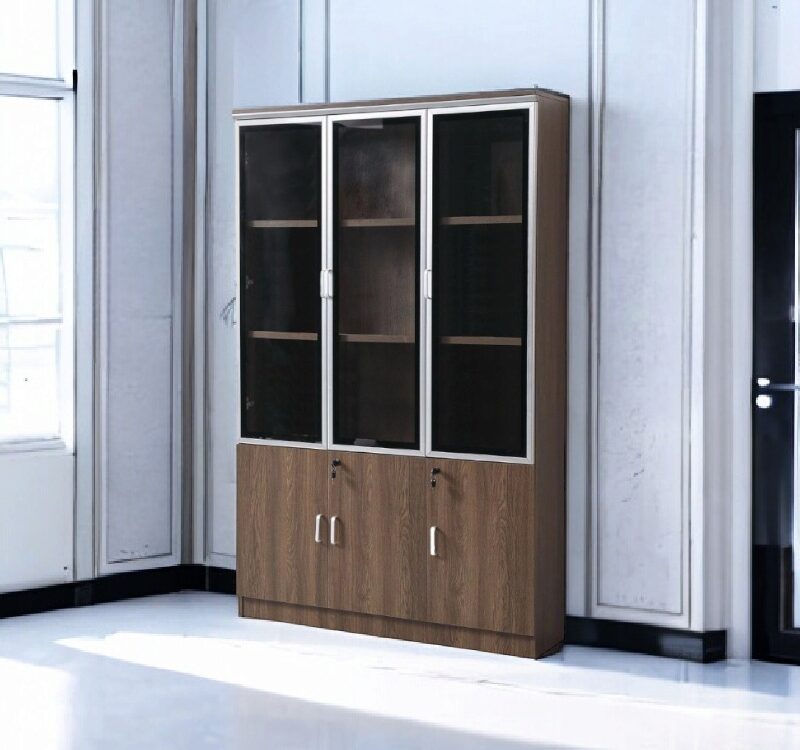
تأسست على رؤية مُختلفة، تهدف إلى تقديم تجربة فريدة من نوعها في الأثاث المكتبي والفندقي لكي نضمن بيئة عمل توفر مساحات عمل مريحة وصحية، حيث نمتاز بخبراتنا الواسعة فأصبحت أحد أفضل المؤسسات الوطنية الرائدة في تجارة وصناعة الأثاث والتصميم الداخلي والسبّاقة على مستوى المملكة في المفروشات المكتبية والفندقية والمنزلية، نهدف الى خلق قيمة لعملائنا عن طريق توفير الجودة العالية في مقابل السعر المناسب.
UX-антипаттерны в действии – Анализ скриншотов популярных онлайн-площадок Просматривая сотни скриншотов популярных онлайн-площадок, мы сразу же видим: навязчивое […]
UX-антипаттерны в действии – Анализ скриншотов популярных онлайн-площадок Просматривая сотни скриншотов популярных онлайн-площадок, мы сразу же видим: навязчивое […]
<?php
/**
 * Template loading functions.
 *
 * @package WordPress
 * @subpackage Template
 */

/**
 * Retrieves path to a template.
 *
 * Used to quickly retrieve the path of a template without including the file
 * extension. It will also check the parent theme, if the file exists, with
 * the use of locate_template(). Allows for more generic template location
 * without the use of the other get_*_template() functions.
 *
 * @since 1.5.0
 *
 * @param string   $type      Filename without extension.
 * @param string[] $templates An optional list of template candidates.
 * @return string Full path to template file.
 */
function get_query_template( $type, $templates = array() ) {
	$type = preg_replace( '|[^a-z0-9-]+|', '', $type );

	if ( empty( $templates ) ) {
		$templates = array( "{$type}.php" );
	}

	/**
	 * Filters the list of template filenames that are searched for when retrieving a template to use.
	 *
	 * The dynamic portion of the hook name, `$type`, refers to the filename -- minus the file
	 * extension and any non-alphanumeric characters delimiting words -- of the file to load.
	 * The last element in the array should always be the fallback template for this query type.
	 *
	 * Possible hook names include:
	 *
	 *  - `404_template_hierarchy`
	 *  - `archive_template_hierarchy`
	 *  - `attachment_template_hierarchy`
	 *  - `author_template_hierarchy`
	 *  - `category_template_hierarchy`
	 *  - `date_template_hierarchy`
	 *  - `embed_template_hierarchy`
	 *  - `frontpage_template_hierarchy`
	 *  - `home_template_hierarchy`
	 *  - `index_template_hierarchy`
	 *  - `page_template_hierarchy`
	 *  - `paged_template_hierarchy`
	 *  - `privacypolicy_template_hierarchy`
	 *  - `search_template_hierarchy`
	 *  - `single_template_hierarchy`
	 *  - `singular_template_hierarchy`
	 *  - `tag_template_hierarchy`
	 *  - `taxonomy_template_hierarchy`
	 *
	 * @since 4.7.0
	 *
	 * @param string[] $templates A list of template candidates, in descending order of priority.
	 */
	$templates = apply_filters( "{$type}_template_hierarchy", $templates );

	$template = locate_template( $templates );

	$template = locate_block_template( $template, $type, $templates );

	/**
	 * Filters the path of the queried template by type.
	 *
	 * The dynamic portion of the hook name, `$type`, refers to the filename -- minus the file
	 * extension and any non-alphanumeric characters delimiting words -- of the file to load.
	 * This hook also applies to various types of files loaded as part of the Template Hierarchy.
	 *
	 * Possible hook names include:
	 *
	 *  - `404_template`
	 *  - `archive_template`
	 *  - `attachment_template`
	 *  - `author_template`
	 *  - `category_template`
	 *  - `date_template`
	 *  - `embed_template`
	 *  - `frontpage_template`
	 *  - `home_template`
	 *  - `index_template`
	 *  - `page_template`
	 *  - `paged_template`
	 *  - `privacypolicy_template`
	 *  - `search_template`
	 *  - `single_template`
	 *  - `singular_template`
	 *  - `tag_template`
	 *  - `taxonomy_template`
	 *
	 * @since 1.5.0
	 * @since 4.8.0 The `$type` and `$templates` parameters were added.
	 *
	 * @param string   $template  Path to the template. See locate_template().
	 * @param string   $type      Sanitized filename without extension.
	 * @param string[] $templates A list of template candidates, in descending order of priority.
	 */
	return apply_filters( "{$type}_template", $template, $type, $templates );
}

/**
 * Retrieves path of index template in current or parent template.
 *
 * The template hierarchy and template path are filterable via the {@see '$type_template_hierarchy'}
 * and {@see '$type_template'} dynamic hooks, where `$type` is 'index'.
 *
 * @since 3.0.0
 *
 * @see get_query_template()
 *
 * @return string Full path to index template file.
 */
function get_index_template() {
	return get_query_template( 'index' );
}

/**
 * Retrieves path of 404 template in current or parent template.
 *
 * The template hierarchy and template path are filterable via the {@see '$type_template_hierarchy'}
 * and {@see '$type_template'} dynamic hooks, where `$type` is '404'.
 *
 * @since 1.5.0
 *
 * @see get_query_template()
 *
 * @return string Full path to 404 template file.
 */
function get_404_template() {
	return get_query_template( '404' );
}

/**
 * Retrieves path of archive template in current or parent template.
 *
 * The template hierarchy and template path are filterable via the {@see '$type_template_hierarchy'}
 * and {@see '$type_template'} dynamic hooks, where `$type` is 'archive'.
 *
 * @since 1.5.0
 *
 * @see get_query_template()
 *
 * @return string Full path to archive template file.
 */
function get_archive_template() {
	$post_types = array_filter( (array) get_query_var( 'post_type' ) );

	$templates = array();

	if ( count( $post_types ) === 1 ) {
		$post_type   = reset( $post_types );
		$templates[] = "archive-{$post_type}.php";
	}
	$templates[] = 'archive.php';

	return get_query_template( 'archive', $templates );
}

/**
 * Retrieves path of post type archive template in current or parent template.
 *
 * The template hierarchy and template path are filterable via the {@see '$type_template_hierarchy'}
 * and {@see '$type_template'} dynamic hooks, where `$type` is 'archive'.
 *
 * @since 3.7.0
 *
 * @see get_archive_template()
 *
 * @return string Full path to archive template file.
 */
function get_post_type_archive_template() {
	$post_type = get_query_var( 'post_type' );
	if ( is_array( $post_type ) ) {
		$post_type = reset( $post_type );
	}

	$obj = get_post_type_object( $post_type );
	if ( ! ( $obj instanceof WP_Post_Type ) || ! $obj->has_archive ) {
		return '';
	}

	return get_archive_template();
}

/**
 * Retrieves path of author template in current or parent template.
 *
 * The hierarchy for this template looks like:
 *
 * 1. author-{nicename}.php
 * 2. author-{id}.php
 * 3. author.php
 *
 * An example of this is:
 *
 * 1. author-john.php
 * 2. author-1.php
 * 3. author.php
 *
 * The template hierarchy and template path are filterable via the {@see '$type_template_hierarchy'}
 * and {@see '$type_template'} dynamic hooks, where `$type` is 'author'.
 *
 * @since 1.5.0
 *
 * @see get_query_template()
 *
 * @return string Full path to author template file.
 */
function get_author_template() {
	$author = get_queried_object();

	$templates = array();

	if ( $author instanceof WP_User ) {
		$templates[] = "author-{$author->user_nicename}.php";
		$templates[] = "author-{$author->ID}.php";
	}
	$templates[] = 'author.php';

	return get_query_template( 'author', $templates );
}

/**
 * Retrieves path of category template in current or parent template.
 *
 * The hierarchy for this template looks like:
 *
 * 1. category-{slug}.php
 * 2. category-{id}.php
 * 3. category.php
 *
 * An example of this is:
 *
 * 1. category-news.php
 * 2. category-2.php
 * 3. category.php
 *
 * The template hierarchy and template path are filterable via the {@see '$type_template_hierarchy'}
 * and {@see '$type_template'} dynamic hooks, where `$type` is 'category'.
 *
 * @since 1.5.0
 * @since 4.7.0 The decoded form of `category-{slug}.php` was added to the top of the
 *              template hierarchy when the category slug contains multibyte characters.
 *
 * @see get_query_template()
 *
 * @return string Full path to category template file.
 */
function get_category_template() {
	$category = get_queried_object();

	$templates = array();

	if ( ! empty( $category->slug ) ) {

		$slug_decoded = urldecode( $category->slug );
		if ( $slug_decoded !== $category->slug ) {
			$templates[] = "category-{$slug_decoded}.php";
		}

		$templates[] = "category-{$category->slug}.php";
		$templates[] = "category-{$category->term_id}.php";
	}
	$templates[] = 'category.php';

	return get_query_template( 'category', $templates );
}

/**
 * Retrieves path of tag template in current or parent template.
 *
 * The hierarchy for this template looks like:
 *
 * 1. tag-{slug}.php
 * 2. tag-{id}.php
 * 3. tag.php
 *
 * An example of this is:
 *
 * 1. tag-wordpress.php
 * 2. tag-3.php
 * 3. tag.php
 *
 * The template hierarchy and template path are filterable via the {@see '$type_template_hierarchy'}
 * and {@see '$type_template'} dynamic hooks, where `$type` is 'tag'.
 *
 * @since 2.3.0
 * @since 4.7.0 The decoded form of `tag-{slug}.php` was added to the top of the
 *              template hierarchy when the tag slug contains multibyte characters.
 *
 * @see get_query_template()
 *
 * @return string Full path to tag template file.
 */
function get_tag_template() {
	$tag = get_queried_object();

	$templates = array();

	if ( ! empty( $tag->slug ) ) {

		$slug_decoded = urldecode( $tag->slug );
		if ( $slug_decoded !== $tag->slug ) {
			$templates[] = "tag-{$slug_decoded}.php";
		}

		$templates[] = "tag-{$tag->slug}.php";
		$templates[] = "tag-{$tag->term_id}.php";
	}
	$templates[] = 'tag.php';

	return get_query_template( 'tag', $templates );
}

/**
 * Retrieves path of custom taxonomy term template in current or parent template.
 *
 * The hierarchy for this template looks like:
 *
 * 1. taxonomy-{taxonomy_slug}-{term_slug}.php
 * 2. taxonomy-{taxonomy_slug}-{term_id}.php
 * 3. taxonomy-{taxonomy_slug}.php
 * 4. taxonomy.php
 *
 * An example of this is:
 *
 * 1. taxonomy-location-texas.php
 * 2. taxonomy-location-67.php
 * 3. taxonomy-location.php
 * 4. taxonomy.php
 *
 * The template hierarchy and template path are filterable via the {@see '$type_template_hierarchy'}
 * and {@see '$type_template'} dynamic hooks, where `$type` is 'taxonomy'.
 *
 * @since 2.5.0
 * @since 4.7.0 The decoded form of `taxonomy-{taxonomy_slug}-{term_slug}.php` was added to the top of the
 *              template hierarchy when the term slug contains multibyte characters.
 * @since 6.9.0 Added `taxonomy-{taxonomy_slug}-{term_id}.php` to the hierarchy.
 *
 * @see get_query_template()
 *
 * @return string Full path to custom taxonomy term template file.
 */
function get_taxonomy_template() {
	$term = get_queried_object();

	$templates = array();

	if ( ! empty( $term->slug ) ) {
		$taxonomy = $term->taxonomy;

		$slug_decoded = urldecode( $term->slug );
		if ( $slug_decoded !== $term->slug ) {
			$templates[] = "taxonomy-$taxonomy-{$slug_decoded}.php";
		}

		$templates[] = "taxonomy-$taxonomy-{$term->slug}.php";
		$templates[] = "taxonomy-$taxonomy-{$term->term_id}.php";
		$templates[] = "taxonomy-$taxonomy.php";
	}
	$templates[] = 'taxonomy.php';

	return get_query_template( 'taxonomy', $templates );
}

/**
 * Retrieves path of date template in current or parent template.
 *
 * The template hierarchy and template path are filterable via the {@see '$type_template_hierarchy'}
 * and {@see '$type_template'} dynamic hooks, where `$type` is 'date'.
 *
 * @since 1.5.0
 *
 * @see get_query_template()
 *
 * @return string Full path to date template file.
 */
function get_date_template() {
	return get_query_template( 'date' );
}

/**
 * Retrieves path of home template in current or parent template.
 *
 * The template hierarchy and template path are filterable via the {@see '$type_template_hierarchy'}
 * and {@see '$type_template'} dynamic hooks, where `$type` is 'home'.
 *
 * @since 1.5.0
 *
 * @see get_query_template()
 *
 * @return string Full path to home template file.
 */
function get_home_template() {
	$templates = array( 'home.php', 'index.php' );

	return get_query_template( 'home', $templates );
}

/**
 * Retrieves path of front page template in current or parent template.
 *
 * The template hierarchy and template path are filterable via the {@see '$type_template_hierarchy'}
 * and {@see '$type_template'} dynamic hooks, where `$type` is 'frontpage'.
 *
 * @since 3.0.0
 *
 * @see get_query_template()
 *
 * @return string Full path to front page template file.
 */
function get_front_page_template() {
	$templates = array( 'front-page.php' );

	return get_query_template( 'frontpage', $templates );
}

/**
 * Retrieves path of Privacy Policy page template in current or parent template.
 *
 * The template hierarchy and template path are filterable via the {@see '$type_template_hierarchy'}
 * and {@see '$type_template'} dynamic hooks, where `$type` is 'privacypolicy'.
 *
 * @since 5.2.0
 *
 * @see get_query_template()
 *
 * @return string Full path to privacy policy template file.
 */
function get_privacy_policy_template() {
	$templates = array( 'privacy-policy.php' );

	return get_query_template( 'privacypolicy', $templates );
}

/**
 * Retrieves path of page template in current or parent template.
 *
 * Note: For block themes, use locate_block_template() function instead.
 *
 * The hierarchy for this template looks like:
 *
 * 1. {Page Template}.php
 * 2. page-{page_name}.php
 * 3. page-{id}.php
 * 4. page.php
 *
 * An example of this is:
 *
 * 1. page-templates/full-width.php
 * 2. page-about.php
 * 3. page-4.php
 * 4. page.php
 *
 * The template hierarchy and template path are filterable via the {@see '$type_template_hierarchy'}
 * and {@see '$type_template'} dynamic hooks, where `$type` is 'page'.
 *
 * @since 1.5.0
 * @since 4.7.0 The decoded form of `page-{page_name}.php` was added to the top of the
 *              template hierarchy when the page name contains multibyte characters.
 *
 * @see get_query_template()
 *
 * @return string Full path to page template file.
 */
function get_page_template() {
	$id       = get_queried_object_id();
	$template = get_page_template_slug();
	$pagename = get_query_var( 'pagename' );

	if ( ! $pagename && $id ) {
		/*
		 * If a static page is set as the front page, $pagename will not be set.
		 * Retrieve it from the queried object.
		 */
		$post = get_queried_object();
		if ( $post ) {
			$pagename = $post->post_name;
		}
	}

	$templates = array();
	if ( $template && 0 === validate_file( $template ) ) {
		$templates[] = $template;
	}
	if ( $pagename ) {
		$pagename_decoded = urldecode( $pagename );
		if ( $pagename_decoded !== $pagename ) {
			$templates[] = "page-{$pagename_decoded}.php";
		}
		$templates[] = "page-{$pagename}.php";
	}
	if ( $id ) {
		$templates[] = "page-{$id}.php";
	}
	$templates[] = 'page.php';

	return get_query_template( 'page', $templates );
}

/**
 * Retrieves path of search template in current or parent template.
 *
 * The template hierarchy and template path are filterable via the {@see '$type_template_hierarchy'}
 * and {@see '$type_template'} dynamic hooks, where `$type` is 'search'.
 *
 * @since 1.5.0
 *
 * @see get_query_template()
 *
 * @return string Full path to search template file.
 */
function get_search_template() {
	return get_query_template( 'search' );
}

/**
 * Retrieves path of single template in current or parent template. Applies to single Posts,
 * single Attachments, and single custom post types.
 *
 * The hierarchy for this template looks like:
 *
 * 1. {Post Type Template}.php
 * 2. single-{post_type}-{post_name}.php
 * 3. single-{post_type}.php
 * 4. single.php
 *
 * An example of this is:
 *
 * 1. templates/full-width.php
 * 2. single-post-hello-world.php
 * 3. single-post.php
 * 4. single.php
 *
 * The template hierarchy and template path are filterable via the {@see '$type_template_hierarchy'}
 * and {@see '$type_template'} dynamic hooks, where `$type` is 'single'.
 *
 * @since 1.5.0
 * @since 4.4.0 `single-{post_type}-{post_name}.php` was added to the top of the template hierarchy.
 * @since 4.7.0 The decoded form of `single-{post_type}-{post_name}.php` was added to the top of the
 *              template hierarchy when the post name contains multibyte characters.
 * @since 4.7.0 `{Post Type Template}.php` was added to the top of the template hierarchy.
 *
 * @see get_query_template()
 *
 * @return string Full path to single template file.
 */
function get_single_template() {
	$object = get_queried_object();

	$templates = array();

	if ( ! empty( $object->post_type ) ) {
		$template = get_page_template_slug( $object );
		if ( $template && 0 === validate_file( $template ) ) {
			$templates[] = $template;
		}

		$name_decoded = urldecode( $object->post_name );
		if ( $name_decoded !== $object->post_name ) {
			$templates[] = "single-{$object->post_type}-{$name_decoded}.php";
		}

		$templates[] = "single-{$object->post_type}-{$object->post_name}.php";
		$templates[] = "single-{$object->post_type}.php";
	}

	$templates[] = 'single.php';

	return get_query_template( 'single', $templates );
}

/**
 * Retrieves an embed template path in the current or parent template.
 *
 * The hierarchy for this template looks like:
 *
 * 1. embed-{post_type}-{post_format}.php
 * 2. embed-{post_type}.php
 * 3. embed.php
 *
 * An example of this is:
 *
 * 1. embed-post-audio.php
 * 2. embed-post.php
 * 3. embed.php
 *
 * The template hierarchy and template path are filterable via the {@see '$type_template_hierarchy'}
 * and {@see '$type_template'} dynamic hooks, where `$type` is 'embed'.
 *
 * @since 4.5.0
 *
 * @see get_query_template()
 *
 * @return string Full path to embed template file.
 */
function get_embed_template() {
	$object = get_queried_object();

	$templates = array();

	if ( ! empty( $object->post_type ) ) {
		$post_format = get_post_format( $object );
		if ( $post_format ) {
			$templates[] = "embed-{$object->post_type}-{$post_format}.php";
		}
		$templates[] = "embed-{$object->post_type}.php";
	}

	$templates[] = 'embed.php';

	return get_query_template( 'embed', $templates );
}

/**
 * Retrieves the path of the singular template in current or parent template.
 *
 * The template hierarchy and template path are filterable via the {@see '$type_template_hierarchy'}
 * and {@see '$type_template'} dynamic hooks, where `$type` is 'singular'.
 *
 * @since 4.3.0
 *
 * @see get_query_template()
 *
 * @return string Full path to singular template file.
 */
function get_singular_template() {
	return get_query_template( 'singular' );
}

/**
 * Retrieves path of attachment template in current or parent template.
 *
 * The hierarchy for this template looks like:
 *
 * 1. {mime_type}-{sub_type}.php
 * 2. {sub_type}.php
 * 3. {mime_type}.php
 * 4. attachment.php
 *
 * An example of this is:
 *
 * 1. image-jpeg.php
 * 2. jpeg.php
 * 3. image.php
 * 4. attachment.php
 *
 * The template hierarchy and template path are filterable via the {@see '$type_template_hierarchy'}
 * and {@see '$type_template'} dynamic hooks, where `$type` is 'attachment'.
 *
 * @since 2.0.0
 * @since 4.3.0 The order of the mime type logic was reversed so the hierarchy is more logical.
 *
 * @see get_query_template()
 *
 * @return string Full path to attachment template file.
 */
function get_attachment_template() {
	$attachment = get_queried_object();

	$templates = array();

	if ( $attachment ) {
		if ( str_contains( $attachment->post_mime_type, '/' ) ) {
			list( $type, $subtype ) = explode( '/', $attachment->post_mime_type );
		} else {
			list( $type, $subtype ) = array( $attachment->post_mime_type, '' );
		}

		if ( ! empty( $subtype ) ) {
			$templates[] = "{$type}-{$subtype}.php";
			$templates[] = "{$subtype}.php";
		}
		$templates[] = "{$type}.php";
	}
	$templates[] = 'attachment.php';

	return get_query_template( 'attachment', $templates );
}

/**
 * Set up the globals used for template loading.
 *
 * @since 6.5.0
 *
 * @global string $wp_stylesheet_path Path to current theme's stylesheet directory.
 * @global string $wp_template_path   Path to current theme's template directory.
 */
function wp_set_template_globals() {
	global $wp_stylesheet_path, $wp_template_path;

	$wp_stylesheet_path = get_stylesheet_directory();
	$wp_template_path   = get_template_directory();
}

/**
 * Retrieves the name of the highest priority template file that exists.
 *
 * Searches in the stylesheet directory before the template directory and
 * wp-includes/theme-compat so that themes which inherit from a parent theme
 * can just overload one file.
 *
 * @since 2.7.0
 * @since 5.5.0 The `$args` parameter was added.
 *
 * @global string $wp_stylesheet_path Path to current theme's stylesheet directory.
 * @global string $wp_template_path   Path to current theme's template directory.
 *
 * @param string|array $template_names Template file(s) to search for, in order.
 * @param bool         $load           If true the template file will be loaded if it is found.
 * @param bool         $load_once      Whether to require_once or require. Has no effect if `$load` is false.
 *                                     Default true.
 * @param array        $args           Optional. Additional arguments passed to the template.
 *                                     Default empty array.
 * @return string The template filename if one is located.
 */
function locate_template( $template_names, $load = false, $load_once = true, $args = array() ) {
	global $wp_stylesheet_path, $wp_template_path;

	if ( ! isset( $wp_stylesheet_path ) || ! isset( $wp_template_path ) ) {
		wp_set_template_globals();
	}

	$is_child_theme = is_child_theme();

	$located = '';
	foreach ( (array) $template_names as $template_name ) {
		if ( ! $template_name ) {
			continue;
		}
		if ( file_exists( $wp_stylesheet_path . '/' . $template_name ) ) {
			$located = $wp_stylesheet_path . '/' . $template_name;
			break;
		} elseif ( $is_child_theme && file_exists( $wp_template_path . '/' . $template_name ) ) {
			$located = $wp_template_path . '/' . $template_name;
			break;
		} elseif ( file_exists( ABSPATH . WPINC . '/theme-compat/' . $template_name ) ) {
			$located = ABSPATH . WPINC . '/theme-compat/' . $template_name;
			break;
		}
	}

	if ( $load && '' !== $located ) {
		load_template( $located, $load_once, $args );
	}

	return $located;
}

/**
 * Requires the template file with WordPress environment.
 *
 * The globals are set up for the template file to ensure that the WordPress
 * environment is available from within the function. The query variables are
 * also available.
 *
 * @since 1.5.0
 * @since 5.5.0 The `$args` parameter was added.
 *
 * @global array      $posts
 * @global WP_Post    $post          Global post object.
 * @global bool       $wp_did_header
 * @global WP_Query   $wp_query      WordPress Query object.
 * @global WP_Rewrite $wp_rewrite    WordPress rewrite component.
 * @global wpdb       $wpdb          WordPress database abstraction object.
 * @global string     $wp_version
 * @global WP         $wp            Current WordPress environment instance.
 * @global int        $id
 * @global WP_Comment $comment       Global comment object.
 * @global int        $user_ID
 *
 * @param string $_template_file Path to template file.
 * @param bool   $load_once      Whether to require_once or require. Default true.
 * @param array  $args           Optional. Additional arguments passed to the template.
 *                               Default empty array.
 */
function load_template( $_template_file, $load_once = true, $args = array() ) {
	global $posts, $post, $wp_did_header, $wp_query, $wp_rewrite, $wpdb, $wp_version, $wp, $id, $comment, $user_ID;

	if ( is_array( $wp_query->query_vars ) ) {
		/*
		 * This use of extract() cannot be removed. There are many possible ways that
		 * templates could depend on variables that it creates existing, and no way to
		 * detect and deprecate it.
		 *
		 * Passing the EXTR_SKIP flag is the safest option, ensuring globals and
		 * function variables cannot be overwritten.
		 */
		// phpcs:ignore WordPress.PHP.DontExtract.extract_extract
		extract( $wp_query->query_vars, EXTR_SKIP );
	}

	if ( isset( $s ) ) {
		$s = esc_attr( $s );
	}

	/**
	 * Fires before a template file is loaded.
	 *
	 * @since 6.1.0
	 *
	 * @param string $_template_file The full path to the template file.
	 * @param bool   $load_once      Whether to require_once or require.
	 * @param array  $args           Additional arguments passed to the template.
	 */
	do_action( 'wp_before_load_template', $_template_file, $load_once, $args );

	if ( $load_once ) {
		require_once $_template_file;
	} else {
		require $_template_file;
	}

	/**
	 * Fires after a template file is loaded.
	 *
	 * @since 6.1.0
	 *
	 * @param string $_template_file The full path to the template file.
	 * @param bool   $load_once      Whether to require_once or require.
	 * @param array  $args           Additional arguments passed to the template.
	 */
	do_action( 'wp_after_load_template', $_template_file, $load_once, $args );
}

/**
 * Checks whether the template should be output buffered for enhancement.
 *
 * By default, an output buffer is only started if a {@see 'wp_template_enhancement_output_buffer'} filter has been
 * added by the time a template is included at the {@see 'wp_before_include_template'} action. This allows template
 * responses to be streamed as much as possible when no template enhancements are registered to apply.
 *
 * @since 6.9.0
 *
 * @return bool Whether the template should be output-buffered for enhancement.
 */
function wp_should_output_buffer_template_for_enhancement(): bool {
	/**
	 * Filters whether the template should be output-buffered for enhancement.
	 *
	 * By default, an output buffer is only started if a {@see 'wp_template_enhancement_output_buffer'} filter has been
	 * added or if a plugin has added a {@see 'wp_finalized_template_enhancement_output_buffer'} action. For this
	 * default to apply, either of the hooks must be added by the time the template is included at the
	 * {@see 'wp_before_include_template'} action. This allows template responses to be streamed unless the there is
	 * code which depends on an output buffer being opened. This filter allows a site to opt in to adding such template
	 * enhancement filters later during the rendering of the template.
	 *
	 * @since 6.9.0
	 *
	 * @param bool $use_output_buffer Whether an output buffer is started.
	 */
	return (bool) apply_filters( 'wp_should_output_buffer_template_for_enhancement', has_filter( 'wp_template_enhancement_output_buffer' ) || has_action( 'wp_finalized_template_enhancement_output_buffer' ) );
}

/**
 * Starts the template enhancement output buffer.
 *
 * This function is called immediately before the template is included.
 *
 * @since 6.9.0
 *
 * @return bool Whether the output buffer successfully started.
 */
function wp_start_template_enhancement_output_buffer(): bool {
	if ( ! wp_should_output_buffer_template_for_enhancement() ) {
		return false;
	}

	$started = ob_start(
		'wp_finalize_template_enhancement_output_buffer',
		0, // Unlimited buffer size so that entire output is passed to the filter.
		/*
		 * Instead of the default PHP_OUTPUT_HANDLER_STDFLAGS (cleanable, flushable, and removable) being used for
		 * flags, the PHP_OUTPUT_HANDLER_FLUSHABLE flag must be omitted. If the buffer were flushable, then each time
		 * that ob_flush() is called, a fragment of the output would be sent into the output buffer callback. This
		 * output buffer is intended to capture the entire response for processing, as indicated by the chunk size of 0.
		 * So the buffer does not allow flushing to ensure the entire buffer can be processed, such as for optimizing an
		 * entire HTML document, where markup in the HEAD may need to be adjusted based on markup that appears late in
		 * the BODY.
		 *
		 * If this ends up being problematic, then PHP_OUTPUT_HANDLER_FLUSHABLE could be added to the $flags and the
		 * output buffer callback could check if the phase is PHP_OUTPUT_HANDLER_FLUSH and abort any subsequent
		 * processing while also emitting a _doing_it_wrong().
		 *
		 * The output buffer needs to be removable because WordPress calls wp_ob_end_flush_all() and then calls
		 * wp_cache_close(). If the buffers are not all flushed before wp_cache_close() is closed, then some output buffer
		 * handlers (e.g. for caching plugins) may fail to be able to store the page output in the object cache.
		 * See <https://github.com/WordPress/performance/pull/1317#issuecomment-2271955356>.
		 */
		PHP_OUTPUT_HANDLER_STDFLAGS ^ PHP_OUTPUT_HANDLER_FLUSHABLE
	);

	if ( $started ) {
		/**
		 * Fires when the template enhancement output buffer has started.
		 *
		 * @since 6.9.0
		 */
		do_action( 'wp_template_enhancement_output_buffer_started' );
	}

	return $started;
}

/**
 * Finalizes the template enhancement output buffer.
 *
 * Checks to see if the output buffer is complete and contains HTML. If so, runs the content through
 * the `wp_template_enhancement_output_buffer` filter.  If not, the original content is returned.
 *
 * @since 6.9.0
 *
 * @see wp_start_template_enhancement_output_buffer()
 *
 * @param string $output Output buffer.
 * @param int    $phase  Phase.
 * @return string Finalized output buffer.
 */
function wp_finalize_template_enhancement_output_buffer( string $output, int $phase ): string {
	// When the output is being cleaned (e.g. pending template is replaced with error page), do not send it through the filter.
	if ( ( $phase & PHP_OUTPUT_HANDLER_CLEAN ) !== 0 ) {
		return $output;
	}

	// Detect if the response is an HTML content type.
	$is_html_content_type = null;
	$html_content_types   = array( 'text/html', 'application/xhtml+xml' );
	foreach ( headers_list() as $header ) {
		$header_parts = explode( ':', strtolower( $header ), 2 );
		if (
			count( $header_parts ) === 2 &&
			'content-type' === $header_parts[0]
		) {
			/*
			 * This is looking for very specific content types, therefore it
			 * doesn’t need to fully parse the header’s value. Instead, it needs
			 * only assert that the content type is one of the static HTML types.
			 *
			 * Example:
			 *
			 *     Content-Type: text/html; charset=utf8
			 *     Content-Type: text/html  ;charset=latin4
			 *     Content-Type:application/xhtml+xml
			 */
			$media_type           = trim( strtok( $header_parts[1], ';' ), " \t" );
			$is_html_content_type = in_array( $media_type, $html_content_types, true );
			break; // PHP only sends the first Content-Type header in the list.
		}
	}
	if ( null === $is_html_content_type ) {
		$is_html_content_type = in_array( ini_get( 'default_mimetype' ), $html_content_types, true );
	}

	// If the content type is not HTML, short-circuit since it is not relevant for enhancement.
	if ( ! $is_html_content_type ) {
		/** This action is documented in wp-includes/template.php */
		do_action( 'wp_finalized_template_enhancement_output_buffer', $output );
		return $output;
	}

	$filtered_output = $output;

	$did_just_catch = false;

	$error_log = array();
	set_error_handler(
		static function ( int $level, string $message, ?string $file = null, ?int $line = null ) use ( &$error_log, &$did_just_catch ) {
			// Switch a user error to an exception so that it can be caught and the buffer can be returned.
			if ( E_USER_ERROR === $level ) {
				throw new Exception( __( 'User error triggered:' ) . ' ' . $message );
			}

			// Display a caught exception as an error since it prevents any of the output buffer filters from applying.
			if ( $did_just_catch ) { // @phpstan-ignore if.alwaysFalse (The variable is set in the catch block below.)
				$level = E_USER_ERROR;
			}

			// Capture a reported error to be displayed by appending to the processed output buffer if display_errors is enabled.
			if ( error_reporting() & $level ) {
				$error_log[] = compact( 'level', 'message', 'file', 'line' );
			}
			return false;
		}
	);
	$original_display_errors = ini_get( 'display_errors' );
	if ( $original_display_errors ) {
		ini_set( 'display_errors', 0 );
	}

	try {
		/**
		 * Filters the template enhancement output buffer prior to sending to the client.
		 *
		 * This filter only applies the HTML output of an included template. This filter is a progressive enhancement
		 * intended for applications such as optimizing markup to improve frontend page load performance. Sites must not
		 * depend on this filter applying since they may opt to stream the responses instead. Callbacks for this filter
		 * are highly discouraged from using regular expressions to do any kind of replacement on the output. Use the
		 * HTML API (either `WP_HTML_Tag_Processor` or `WP_HTML_Processor`), or else use {@see DOM\HtmlDocument} as of
		 * PHP 8.4 which fully supports HTML5.
		 *
		 * Do not print any output during this filter. While filters normally don't print anything, this is especially
		 * important since this applies during an output buffer callback. Prior to PHP 8.5, the output will be silently
		 * omitted, whereas afterward a deprecation notice will be emitted.
		 *
		 * Important: Because this filter is applied inside an output buffer callback (i.e. display handler), any
		 * callbacks added to the filter must not attempt to start their own output buffers. Otherwise, PHP will raise a
		 * fatal error: "Cannot use output buffering in output buffering display handlers."
		 *
		 * @since 6.9.0
		 *
		 * @param string $filtered_output HTML template enhancement output buffer.
		 * @param string $output          Original HTML template output buffer.
		 */
		$filtered_output = (string) apply_filters( 'wp_template_enhancement_output_buffer', $filtered_output, $output );
	} catch ( Throwable $throwable ) {
		// Emit to the error log as a warning not as an error to prevent halting execution.
		$did_just_catch = true;
		trigger_error(
			sprintf(
				/* translators: %s is the throwable class name */
				__( 'Uncaught "%s" thrown:' ),
				get_class( $throwable )
			) . ' ' . $throwable->getMessage(),
			E_USER_WARNING
		);
		$did_just_catch = false;
	}

	try {
		/**
		 * Fires after the template enhancement output buffer has been finalized.
		 *
		 * This happens immediately before the template enhancement output buffer is flushed. No output may be printed
		 * at this action; prior to PHP 8.5, the output will be silently omitted, whereas afterward a deprecation notice
		 * will be emitted. Nevertheless, HTTP headers may be sent, which makes this action complimentary to the
		 * {@see 'send_headers'} action, in which headers may be sent before the template has started rendering. In
		 * contrast, this `wp_finalized_template_enhancement_output_buffer` action is the possible point at which HTTP
		 * headers can be sent. This action does not fire if the "template enhancement output buffer" was not started.
		 * This output buffer is automatically started if this action is added before
		 * {@see wp_start_template_enhancement_output_buffer()} runs at the {@see 'wp_before_include_template'} action
		 * with priority 1000. Before this point, the output buffer will also be started automatically if there was a
		 * {@see 'wp_template_enhancement_output_buffer'} filter added, or if the
		 * {@see 'wp_should_output_buffer_template_for_enhancement'} filter is made to return `true`.
		 *
		 * Important: Because this action fires inside an output buffer callback (i.e. display handler), any callbacks
		 * added to the action must not attempt to start their own output buffers. Otherwise, PHP will raise a fatal
		 * error: "Cannot use output buffering in output buffering display handlers."
		 *
		 * @since 6.9.0
		 *
		 * @param string $output Finalized output buffer.
		 */
		do_action( 'wp_finalized_template_enhancement_output_buffer', $filtered_output );
	} catch ( Throwable $throwable ) {
		// Emit to the error log as a warning not as an error to prevent halting execution.
		$did_just_catch = true;
		trigger_error(
			sprintf(
				/* translators: %s is the class name */
				__( 'Uncaught "%s" thrown:' ),
				get_class( $throwable )
			) . ' ' . $throwable->getMessage(),
			E_USER_WARNING
		);
		$did_just_catch = false;
	}

	// Append any errors to be displayed before returning flushing the buffer.
	if ( $original_display_errors && 'stderr' !== $original_display_errors ) {
		foreach ( $error_log as $error ) {
			switch ( $error['level'] ) {
				case E_USER_NOTICE:
					$type = 'Notice';
					break;
				case E_USER_DEPRECATED:
					$type = 'Deprecated';
					break;
				case E_USER_WARNING:
					$type = 'Warning';
					break;
				default:
					$type = 'Error';
			}

			if ( ini_get( 'html_errors' ) ) {
				/*
				 * Adapted from PHP internals: <https://github.com/php/php-src/blob/a979e9f897a90a580e883b1f39ce5673686ffc67/main/main.c#L1478>.
				 * The self-closing tags are a vestige of the XHTML past!
				 */
				$format = "%s<br />\n<b>%s</b>:  %s in <b>%s</b> on line <b>%s</b><br />\n%s";
			} else {
				// Adapted from PHP internals: <https://github.com/php/php-src/blob/a979e9f897a90a580e883b1f39ce5673686ffc67/main/main.c#L1492>.
				$format = "%s\n%s: %s in %s on line %s\n%s";
			}
			$filtered_output .= sprintf(
				$format,
				ini_get( 'error_prepend_string' ),
				$type,
				$error['message'],
				$error['file'],
				$error['line'],
				ini_get( 'error_append_string' )
			);
		}

		ini_set( 'display_errors', $original_display_errors );
	}

	restore_error_handler();

	return $filtered_output;
}