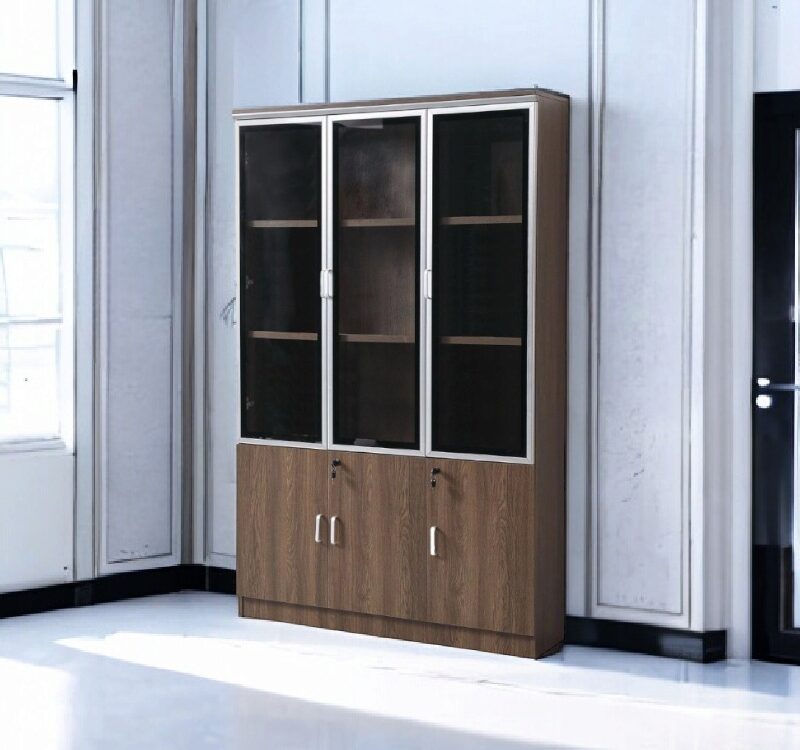
تأسست على رؤية مُختلفة، تهدف إلى تقديم تجربة فريدة من نوعها في الأثاث المكتبي والفندقي لكي نضمن بيئة عمل توفر مساحات عمل مريحة وصحية، حيث نمتاز بخبراتنا الواسعة فأصبحت أحد أفضل المؤسسات الوطنية الرائدة في تجارة وصناعة الأثاث والتصميم الداخلي والسبّاقة على مستوى المملكة في المفروشات المكتبية والفندقية والمنزلية، نهدف الى خلق قيمة لعملائنا عن طريق توفير الجودة العالية في مقابل السعر المناسب.
UX-антипаттерны в действии – Анализ скриншотов популярных онлайн-площадок Просматривая сотни скриншотов популярных онлайн-площадок, мы сразу же видим: навязчивое […]
UX-антипаттерны в действии – Анализ скриншотов популярных онлайн-площадок Просматривая сотни скриншотов популярных онлайн-площадок, мы сразу же видим: навязчивое […]
<?php
/**
 * WordPress implementation for PHP functions either missing from older PHP versions or not included by default.
 *
 * This file is loaded extremely early and the functions can be relied upon by drop-ins.
 * Ergo, please ensure you do not rely on external functions when writing code for this file.
 * Only use functions built into PHP or are defined in this file and have adequate testing
 * and error suppression to ensure the file will run correctly and not break websites.
 *
 * @package PHP
 * @access private
 */

// If gettext isn't available.
if ( ! function_exists( '_' ) ) {
	/**
	 * Compat function to mimic _(), an alias of gettext().
	 *
	 * @since 0.71
	 *
	 * @see https://php.net/manual/en/function.gettext.php
	 *
	 * @param string $message The message being translated.
	 * @return string
	 */
	function _( $message ) {
		return $message;
	}
}

/**
 * Returns whether PCRE/u (PCRE_UTF8 modifier) is available for use.
 *
 * @ignore
 * @since 4.2.2
 * @since 6.9.0 Deprecated the `$set` argument.
 * @access private
 *
 * @param bool $set Deprecated. This argument is no longer used for testing purposes.
 */
function _wp_can_use_pcre_u( $set = null ) {
	static $utf8_pcre = null;

	if ( isset( $set ) ) {
		_deprecated_argument( __FUNCTION__, '6.9.0' );
	}

	if ( isset( $utf8_pcre ) ) {
		return $utf8_pcre;
	}

	$utf8_pcre = true;
	set_error_handler(
		function ( $errno, $errstr ) use ( &$utf8_pcre ) {
			if ( str_starts_with( $errstr, 'preg_match():' ) ) {
				$utf8_pcre = false;
				return true;
			}

			return false;
		},
		E_WARNING
	);

	/*
	 * Attempt to compile a PCRE pattern with the PCRE_UTF8 flag. For
	 * systems lacking Unicode support this will trigger a warning
	 * during compilation, which the error handler will intercept.
	 */
	preg_match( '//u', '' );
	restore_error_handler();

	return $utf8_pcre;
}

/**
 * Indicates if a given slug for a character set represents the UTF-8 text encoding.
 *
 * A charset is considered to represent UTF-8 if it is a case-insensitive match
 * of "UTF-8" with or without the hyphen.
 *
 * Example:
 *
 *     true  === _is_utf8_charset( 'UTF-8' );
 *     true  === _is_utf8_charset( 'utf8' );
 *     false === _is_utf8_charset( 'latin1' );
 *     false === _is_utf8_charset( 'UTF 8' );
 *
 *     // Only strings match.
 *     false === _is_utf8_charset( [ 'charset' => 'utf-8' ] );
 *
 * `is_utf8_charset` should be used outside of this file.
 *
 * @ignore
 * @since 6.6.1
 *
 * @param string $charset_slug Slug representing a text character encoding, or "charset".
 *                             E.g. "UTF-8", "Windows-1252", "ISO-8859-1", "SJIS".
 *
 * @return bool Whether the slug represents the UTF-8 encoding.
 */
function _is_utf8_charset( $charset_slug ) {
	if ( ! is_string( $charset_slug ) ) {
		return false;
	}

	return (
		0 === strcasecmp( 'UTF-8', $charset_slug ) ||
		0 === strcasecmp( 'UTF8', $charset_slug )
	);
}

if ( ! function_exists( 'mb_substr' ) ) :
	/**
	 * Compat function to mimic mb_substr().
	 *
	 * @ignore
	 * @since 3.2.0
	 *
	 * @see _mb_substr()
	 *
	 * @param string      $string   The string to extract the substring from.
	 * @param int         $start    Position to being extraction from in `$string`.
	 * @param int|null    $length   Optional. Maximum number of characters to extract from `$string`.
	 *                              Default null.
	 * @param string|null $encoding Optional. Character encoding to use. Default null.
	 * @return string Extracted substring.
	 */
	function mb_substr( $string, $start, $length = null, $encoding = null ) { // phpcs:ignore Universal.NamingConventions.NoReservedKeywordParameterNames.stringFound
		return _mb_substr( $string, $start, $length, $encoding );
	}
endif;

/**
 * Internal compat function to mimic mb_substr().
 *
 * Only supports UTF-8 and non-shifting single-byte encodings. For all other encodings
 * expect the substrings to be misaligned. When the given encoding (or the `blog_charset`
 * if none is provided) isn’t UTF-8 then the function returns the output of {@see \substr()}.
 *
 * @ignore
 * @since 3.2.0
 *
 * @param string      $str      The string to extract the substring from.
 * @param int         $start    Character offset at which to start the substring extraction.
 * @param int|null    $length   Optional. Maximum number of characters to extract from `$str`.
 *                              Default null.
 * @param string|null $encoding Optional. Character encoding to use. Default null.
 * @return string Extracted substring.
 */
function _mb_substr( $str, $start, $length = null, $encoding = null ) {
	if ( null === $str ) {
		return '';
	}

	// The solution below works only for UTF-8; treat all other encodings as byte streams.
	if ( ! _is_utf8_charset( $encoding ?? get_option( 'blog_charset' ) ) ) {
		return is_null( $length ) ? substr( $str, $start ) : substr( $str, $start, $length );
	}

	$total_length = ( $start < 0 || $length < 0 )
		? _wp_utf8_codepoint_count( $str )
		: 0;

	$normalized_start = $start < 0
		? max( 0, $total_length + $start )
		: $start;

	/*
	 * The starting offset is provided as characters, which means this needs to
	 * find how many bytes that many characters occupies at the start of the string.
	 */
	$starting_byte_offset = _wp_utf8_codepoint_span( $str, 0, $normalized_start );

	$normalized_length = $length < 0
		? max( 0, $total_length - $normalized_start + $length )
		: $length;

	/*
	 * This is the main step. It finds how many bytes the given length of code points
	 * occupies in the input, starting at the byte offset calculated above.
	 */
	$byte_length = isset( $normalized_length )
		? _wp_utf8_codepoint_span( $str, $starting_byte_offset, $normalized_length )
		: ( strlen( $str ) - $starting_byte_offset );

	// The result is a normal byte-level substring using the computed ranges.
	return substr( $str, $starting_byte_offset, $byte_length );
}

if ( ! function_exists( 'mb_strlen' ) ) :
	/**
	 * Compat function to mimic mb_strlen().
	 *
	 * @ignore
	 * @since 4.2.0
	 *
	 * @see _mb_strlen()
	 *
	 * @param string      $string   The string to retrieve the character length from.
	 * @param string|null $encoding Optional. Character encoding to use. Default null.
	 * @return int String length of `$string`.
	 */
	function mb_strlen( $string, $encoding = null ) { // phpcs:ignore Universal.NamingConventions.NoReservedKeywordParameterNames.stringFound
		return _mb_strlen( $string, $encoding );
	}
endif;

/**
 * Internal compat function to mimic mb_strlen().
 *
 * Only supports UTF-8 and non-shifting single-byte encodings. For all other
 * encodings expect the counts to be wrong. When the given encoding (or the
 * `blog_charset` if none is provided) isn’t UTF-8 then the function returns
 * the byte-count of the provided string.
 *
 * @ignore
 * @since 4.2.0
 *
 * @param string      $str      The string to retrieve the character length from.
 * @param string|null $encoding Optional. Count characters according to this encoding.
 *                              Default is to consult `blog_charset`.
 * @return int Count of code points if UTF-8, byte length otherwise.
 */
function _mb_strlen( $str, $encoding = null ) {
	return _is_utf8_charset( $encoding ?? get_option( 'blog_charset' ) )
		? _wp_utf8_codepoint_count( $str )
		: strlen( $str );
}

if ( ! function_exists( 'utf8_encode' ) ) :
	if ( extension_loaded( 'mbstring' ) ) :
		/**
		 * Converts a string from ISO-8859-1 to UTF-8.
		 *
		 * @deprecated Use {@see \mb_convert_encoding()} instead.
		 *
		 * @since 6.9.0
		 *
		 * @param string $iso_8859_1_text Text treated as ISO-8859-1 (latin1) bytes.
		 * @return string Text converted into a UTF-8.
		 */
		function utf8_encode( $iso_8859_1_text ): string {
			_deprecated_function( __FUNCTION__, '6.9.0', 'mb_convert_encoding' );

			return mb_convert_encoding( $iso_8859_1_text, 'UTF-8', 'ISO-8859-1' );
		}

	else :
		/**
		 * @ignore
		 * @private
		 *
		 * @since 6.9.0
		 */
		function utf8_encode( $iso_8859_1_text ): string {
			_deprecated_function( __FUNCTION__, '6.9.0', 'mb_convert_encoding' );

			return _wp_utf8_encode_fallback( $iso_8859_1_text );
		}

	endif;
endif;

if ( ! function_exists( 'utf8_decode' ) ) :
	if ( extension_loaded( 'mbstring' ) ) :
		/**
		 * Converts a string from UTF-8 to ISO-8859-1.
		 *
		 * @deprecated Use {@see \mb_convert_encoding()} instead.
		 *
		 * @since 6.9.0
		 *
		 * @param string $utf8_text Text treated as UTF-8.
		 * @return string Text converted into ISO-8859-1.
		 */
		function utf8_decode( $utf8_text ): string {
			_deprecated_function( __FUNCTION__, '6.9.0', 'mb_convert_encoding' );

			return mb_convert_encoding( $utf8_text, 'ISO-8859-1', 'UTF-8' );
		}

	else :
		/**
		 * @ignore
		 * @private
		 *
		 * @since 6.9.0
		 */
		function utf8_decode( $utf8_text ): string {
			_deprecated_function( __FUNCTION__, '6.9.0', 'mb_convert_encoding' );

			return _wp_utf8_decode_fallback( $utf8_text );
		}

	endif;
endif;

// sodium_crypto_box() was introduced in PHP 7.2.
if ( ! function_exists( 'sodium_crypto_box' ) ) {
	require ABSPATH . WPINC . '/sodium_compat/autoload.php';
}

if ( ! function_exists( 'is_countable' ) ) {
	/**
	 * Polyfill for is_countable() function added in PHP 7.3.
	 *
	 * Verify that the content of a variable is an array or an object
	 * implementing the Countable interface.
	 *
	 * @since 4.9.6
	 *
	 * @param mixed $value The value to check.
	 * @return bool True if `$value` is countable, false otherwise.
	 */
	function is_countable( $value ) {
		return ( is_array( $value )
			|| $value instanceof Countable
			|| $value instanceof SimpleXMLElement
			|| $value instanceof ResourceBundle
		);
	}
}

if ( ! function_exists( 'array_key_first' ) ) {
	/**
	 * Polyfill for array_key_first() function added in PHP 7.3.
	 *
	 * Get the first key of the given array without affecting
	 * the internal array pointer.
	 *
	 * @since 5.9.0
	 *
	 * @param array $array An array.
	 * @return string|int|null The first key of array if the array
	 *                         is not empty; `null` otherwise.
	 */
	function array_key_first( array $array ) { // phpcs:ignore Universal.NamingConventions.NoReservedKeywordParameterNames.arrayFound
		if ( empty( $array ) ) {
			return null;
		}

		foreach ( $array as $key => $value ) {
			return $key;
		}
	}
}

if ( ! function_exists( 'array_key_last' ) ) {
	/**
	 * Polyfill for `array_key_last()` function added in PHP 7.3.
	 *
	 * Get the last key of the given array without affecting the
	 * internal array pointer.
	 *
	 * @since 5.9.0
	 *
	 * @param array $array An array.
	 * @return string|int|null The last key of array if the array
	 *.                        is not empty; `null` otherwise.
	 */
	function array_key_last( array $array ) { // phpcs:ignore Universal.NamingConventions.NoReservedKeywordParameterNames.arrayFound
		if ( empty( $array ) ) {
			return null;
		}

		end( $array );

		return key( $array );
	}
}

if ( ! function_exists( 'array_is_list' ) ) {
	/**
	 * Polyfill for `array_is_list()` function added in PHP 8.1.
	 *
	 * Determines if the given array is a list.
	 *
	 * An array is considered a list if its keys consist of consecutive numbers from 0 to count($array)-1.
	 *
	 * @see https://github.com/symfony/polyfill-php81/tree/main
	 *
	 * @since 6.5.0
	 *
	 * @param array<mixed> $arr The array being evaluated.
	 * @return bool True if array is a list, false otherwise.
	 */
	function array_is_list( $arr ) {
		if ( ( array() === $arr ) || ( array_values( $arr ) === $arr ) ) {
			return true;
		}

		$next_key = -1;

		foreach ( $arr as $k => $v ) {
			if ( ++$next_key !== $k ) {
				return false;
			}
		}

		return true;
	}
}

if ( ! function_exists( 'str_contains' ) ) {
	/**
	 * Polyfill for `str_contains()` function added in PHP 8.0.
	 *
	 * Performs a case-sensitive check indicating if needle is
	 * contained in haystack.
	 *
	 * @since 5.9.0
	 *
	 * @param string $haystack The string to search in.
	 * @param string $needle   The substring to search for in the `$haystack`.
	 * @return bool True if `$needle` is in `$haystack`, otherwise false.
	 */
	function str_contains( $haystack, $needle ) {
		if ( '' === $needle ) {
			return true;
		}

		return false !== strpos( $haystack, $needle );
	}
}

if ( ! function_exists( 'str_starts_with' ) ) {
	/**
	 * Polyfill for `str_starts_with()` function added in PHP 8.0.
	 *
	 * Performs a case-sensitive check indicating if
	 * the haystack begins with needle.
	 *
	 * @since 5.9.0
	 *
	 * @param string $haystack The string to search in.
	 * @param string $needle   The substring to search for in the `$haystack`.
	 * @return bool True if `$haystack` starts with `$needle`, otherwise false.
	 */
	function str_starts_with( $haystack, $needle ) {
		if ( '' === $needle ) {
			return true;
		}

		return 0 === strpos( $haystack, $needle );
	}
}

if ( ! function_exists( 'str_ends_with' ) ) {
	/**
	 * Polyfill for `str_ends_with()` function added in PHP 8.0.
	 *
	 * Performs a case-sensitive check indicating if
	 * the haystack ends with needle.
	 *
	 * @since 5.9.0
	 *
	 * @param string $haystack The string to search in.
	 * @param string $needle   The substring to search for in the `$haystack`.
	 * @return bool True if `$haystack` ends with `$needle`, otherwise false.
	 */
	function str_ends_with( $haystack, $needle ) {
		if ( '' === $haystack ) {
			return '' === $needle;
		}

		$len = strlen( $needle );

		return substr( $haystack, -$len, $len ) === $needle;
	}
}

if ( ! function_exists( 'array_find' ) ) {
	/**
	 * Polyfill for `array_find()` function added in PHP 8.4.
	 *
	 * Searches an array for the first element that passes a given callback.
	 *
	 * @since 6.8.0
	 *
	 * @param array    $array    The array to search.
	 * @param callable $callback The callback to run for each element.
	 * @return mixed|null The first element in the array that passes the `$callback`, otherwise null.
	 */
	function array_find( array $array, callable $callback ) { // phpcs:ignore Universal.NamingConventions.NoReservedKeywordParameterNames.arrayFound
		foreach ( $array as $key => $value ) {
			if ( $callback( $value, $key ) ) {
				return $value;
			}
		}

		return null;
	}
}

if ( ! function_exists( 'array_find_key' ) ) {
	/**
	 * Polyfill for `array_find_key()` function added in PHP 8.4.
	 *
	 * Searches an array for the first key that passes a given callback.
	 *
	 * @since 6.8.0
	 *
	 * @param array    $array    The array to search.
	 * @param callable $callback The callback to run for each element.
	 * @return int|string|null The first key in the array that passes the `$callback`, otherwise null.
	 */
	function array_find_key( array $array, callable $callback ) { // phpcs:ignore Universal.NamingConventions.NoReservedKeywordParameterNames.arrayFound
		foreach ( $array as $key => $value ) {
			if ( $callback( $value, $key ) ) {
				return $key;
			}
		}

		return null;
	}
}

if ( ! function_exists( 'array_any' ) ) {
	/**
	 * Polyfill for `array_any()` function added in PHP 8.4.
	 *
	 * Checks if any element of an array passes a given callback.
	 *
	 * @since 6.8.0
	 *
	 * @param array    $array    The array to check.
	 * @param callable $callback The callback to run for each element.
	 * @return bool True if any element in the array passes the `$callback`, otherwise false.
	 */
	function array_any( array $array, callable $callback ): bool { // phpcs:ignore Universal.NamingConventions.NoReservedKeywordParameterNames.arrayFound
		foreach ( $array as $key => $value ) {
			if ( $callback( $value, $key ) ) {
				return true;
			}
		}

		return false;
	}
}

if ( ! function_exists( 'array_all' ) ) {
	/**
	 * Polyfill for `array_all()` function added in PHP 8.4.
	 *
	 * Checks if all elements of an array pass a given callback.
	 *
	 * @since 6.8.0
	 *
	 * @param array    $array    The array to check.
	 * @param callable $callback The callback to run for each element.
	 * @return bool True if all elements in the array pass the `$callback`, otherwise false.
	 */
	function array_all( array $array, callable $callback ): bool { // phpcs:ignore Universal.NamingConventions.NoReservedKeywordParameterNames.arrayFound
		foreach ( $array as $key => $value ) {
			if ( ! $callback( $value, $key ) ) {
				return false;
			}
		}

		return true;
	}
}

if ( ! function_exists( 'array_first' ) ) {
	/**
	 * Polyfill for `array_first()` function added in PHP 8.5.
	 *
	 * Returns the first element of an array.
	 *
	 * @since 6.9.0
	 *
	 * @param array $array The array to get the first element from.
	 * @return mixed|null The first element of the array, or null if the array is empty.
	 */
	function array_first( array $array ) { // phpcs:ignore Universal.NamingConventions.NoReservedKeywordParameterNames.arrayFound
		if ( empty( $array ) ) {
			return null;
		}

		foreach ( $array as $value ) {
			return $value;
		}
	}
}

if ( ! function_exists( 'array_last' ) ) {
	/**
	 * Polyfill for `array_last()` function added in PHP 8.5.
	 *
	 * Returns the last element of an array.
	 *
	 * @since 6.9.0
	 *
	 * @param array $array The array to get the last element from.
	 * @return mixed|null The last element of the array, or null if the array is empty.
	 */
	function array_last( array $array ) { // phpcs:ignore Universal.NamingConventions.NoReservedKeywordParameterNames.arrayFound
		if ( empty( $array ) ) {
			return null;
		}

		return $array[ array_key_last( $array ) ];
	}
}

// IMAGETYPE_AVIF constant is only defined in PHP 8.x or later.
if ( ! defined( 'IMAGETYPE_AVIF' ) ) {
	define( 'IMAGETYPE_AVIF', 19 );
}

// IMG_AVIF constant is only defined in PHP 8.x or later.
if ( ! defined( 'IMG_AVIF' ) ) {
	define( 'IMG_AVIF', IMAGETYPE_AVIF );
}

// IMAGETYPE_HEIF constant is only defined in PHP 8.5 or later.
if ( ! defined( 'IMAGETYPE_HEIF' ) ) {
	define( 'IMAGETYPE_HEIF', 20 );
}