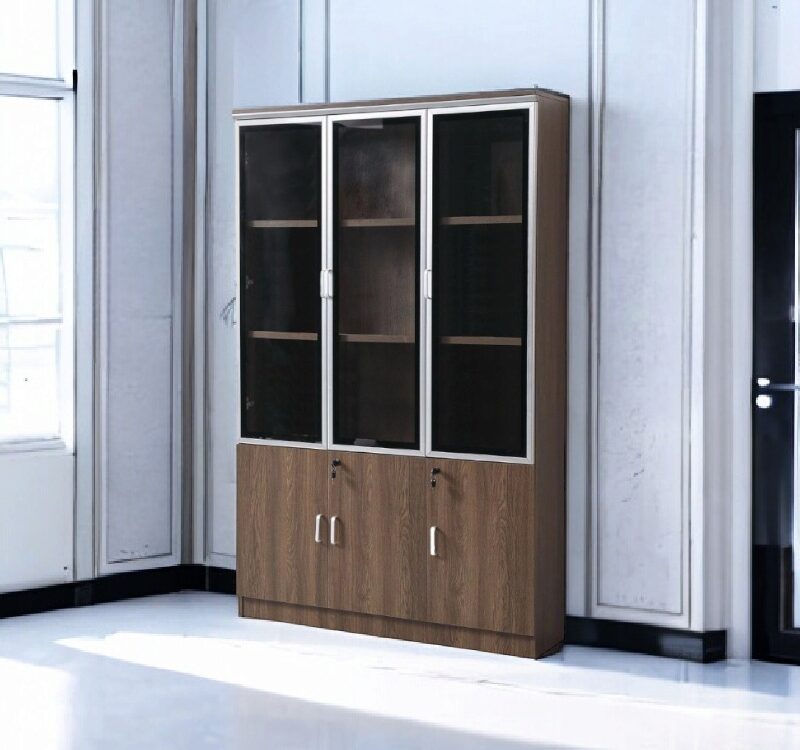
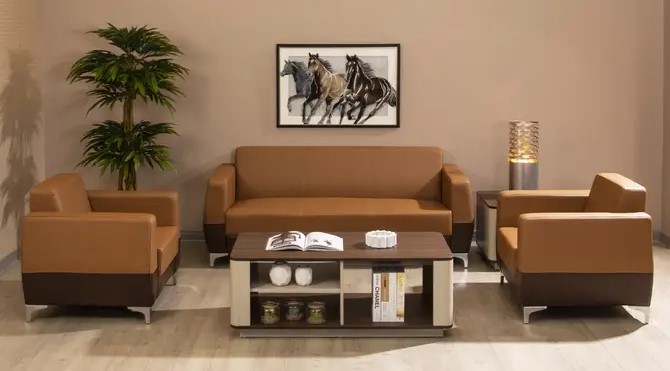
تأسست على رؤية مُختلفة، تهدف إلى تقديم تجربة فريدة من نوعها في الأثاث المكتبي والفندقي لكي نضمن بيئة عمل توفر مساحات عمل مريحة وصحية، حيث نمتاز بخبراتنا الواسعة فأصبحت أحد أفضل المؤسسات الوطنية الرائدة في تجارة وصناعة الأثاث والتصميم الداخلي والسبّاقة على مستوى المملكة في المفروشات المكتبية والفندقية والمنزلية، نهدف الى خلق قيمة لعملائنا عن طريق توفير الجودة العالية في مقابل السعر المناسب.
UX-антипаттерны в действии – Анализ скриншотов популярных онлайн-площадок Просматривая сотни скриншотов популярных онлайн-площадок, мы сразу же видим: навязчивое […]
UX-антипаттерны в действии – Анализ скриншотов популярных онлайн-площадок Просматривая сотни скриншотов популярных онлайн-площадок, мы сразу же видим: навязчивое […]
<?php
/**
* Efficiently scan through block structure in document without parsing
* the entire block tree and all of its JSON attributes into memory.
*
* @package WordPress
* @subpackage Blocks
* @since 6.9.0
*/
/**
* Class for efficiently scanning through block structure in a document
* without parsing the entire block tree and JSON attributes into memory.
*
* ## Overview
*
* This class is designed to help analyze and modify block structure in a
* streaming fashion and to bridge the gap between parsed block trees and
* the text representing them.
*
* Use-cases for this class include but are not limited to:
*
* - Counting block types in a document.
* - Queuing stylesheets based on the presence of various block types.
* - Modifying blocks of a given type, i.e. migrations, updates, and styling.
* - Searching for content of specific kinds, e.g. checking for blocks
* with certain theme support attributes, or block bindings.
* - Adding CSS class names to the element wrapping a block’s inner blocks.
*
* > *Note!* If a fully-parsed block tree of a document is necessary, including
* > all the parsed JSON attributes, nested blocks, and HTML, consider
* > using {@see \parse_blocks()} instead which will parse the document
* > in one swift pass.
*
* For typical usage, jump first to the methods {@see self::next_block()},
* {@see self::next_delimiter()}, or {@see self::next_token()}.
*
* ### Values
*
* As a lower-level interface than {@see parse_blocks()} this class follows
* different performance-focused values:
*
* - Minimize allocations so that documents of any size may be processed
* on a fixed or marginal amount of memory.
* - Make hidden costs explicit so that calling code only has to pay the
* performance penalty for features it needs.
* - Operate with a streaming and re-entrant design to make it possible
* to operate on chunks of a document and to resume after pausing.
*
* This means that some operations might appear more cumbersome than one
* might expect. This design tradeoff opens up opportunity to wrap this in
* a convenience class to add higher-level functionality.
*
* ## Concepts
*
* All text documents can be considered a block document containing a combination
* of “freeform HTML” and explicit block structure. Block structure forms through
* special HTML comments called _delimiters_ which include a block type and,
* optionally, block attributes encoded as a JSON object payload.
*
* This processor is designed to scan through a block document from delimiter to
* delimiter, tracking how the delimiters impact the structure of the document.
* Spans of HTML appear between delimiters. If these spans exist at the top level
* of the document, meaning there is no containing block around them, they are
* considered freeform HTML content. If, however, they appear _inside_ block
* structure they are interpreted as `innerHTML` for the containing block.
*
* ### Tokens and scanning
*
* As the processor scans through a document is reports information about the token
* on which is pauses. Tokens represent spans of text in the input comprising block
* delimiters and spans of HTML.
*
* - {@see self::next_token()} visits every contiguous subspan of text in the
* input document. This includes all explicit block comment delimiters and spans
* of HTML content (whether freeform or inner HTML).
* - {@see self::next_delimiter()} visits every explicit block comment delimiter
* unless passed a block type which covers freeform HTML content. In these cases
* it will stop at top-level spans of HTML and report a `null` block type.
* - {@see self::next_block()} visits every block delimiter which _opens_ a block.
* This includes opening block delimiters as well as void block delimiters. With
* the same exception as above for freeform HTML block types, this will visit
* top-level spans of HTML content.
*
* When matched on a particular token, the following methods provide structural
* and textual information about it:
*
* - {@see self::get_delimiter_type()} reports whether the delimiter is an opener,
* a closer, or if it represents a whole void block.
* - {@see self::get_block_type()} reports the fully-qualified block type which
* the delimiter represents.
* - {@see self::get_printable_block_type()} reports the fully-qualified block type,
* but returns `core/freeform` instead of `null` for top-level freeform HTML content.
* - {@see self::is_block_type()} indicates if the delimiter represents a block of
* the given block type, or wildcard or pseudo-block type described below.
* - {@see self::opens_block()} indicates if the delimiter opens a block of one
* of the provided block types. Opening, void, and top-level freeform HTML content
* all open blocks.
* - {@see static::get_attributes()} is currently reserved for a future streaming
* JSON parser class.
* - {@see self::allocate_and_return_parsed_attributes()} extracts the JSON attributes
* for delimiters which open blocks and return the fully-parsed attributes as an
* associative array. {@see static::get_last_json_error()} for when this fails.
* - {@see self::is_html()} indicates if the token is a span of HTML which might
* be top-level freeform content or a block’s inner HTML.
* - {@see self::get_html_content()} returns the span of HTML.
* - {@see self::get_span()} for the byte offset and length into the input document
* representing the token.
*
* It’s possible for the processor to fail to scan forward if the input document ends
* in a proper prefix of an explicit block comment delimiter. For example, if the input
* ends in `<!-- wp:` then it _might_ be the start of another delimiter. The parser
* cannot know, however, and therefore refuses to proceed. {@see static::get_last_error()}
* to distinguish between a failure to find the next token and an incomplete input.
*
* ### Block types
*
* A block’s “type” comprises an optional _namespace_ and _name_. If the namespace
* isn’t provided it will be interpreted as the implicit `core` namespace. For example,
* the type `gallery` is the name of the block in the `core` namespace, but the type
* `abc/gallery` is the _fully-qualified_ block type for the block whose name is still
* `gallery`, but in the `abc` namespace.
*
* Methods on this class are aware of this block naming semantic and anywhere a block
* type is an argument to a method it will be normalized to account for implicit namespaces.
* Passing `paragraph` is the same as passing `core/paragraph`. On the contrary, anywhere
* this class returns a block type, it will return the fully-qualified and normalized form.
* For example, for the `<!-- wp:group -->` delimiter it will return `core/group` as the
* block type.
*
* There are two special block types that change the behavior of the processor:
*
* - The wildcard `*` represents _any block_. In addition to matching all block types,
* it also represents top-level freeform HTML whose block type is reported as `null`.
*
* - The `core/freeform` block type is a pseudo-block type which explicitly matches
* top-level freeform HTML.
*
* These special block types can be passed into any method which searches for blocks.
*
* There is one additional special block type which may be returned from
* {@see self::get_printable_block_type()}. This is the `#innerHTML` type, which
* indicates that the HTML span on which the processor is paused is inner HTML for
* a containing block.
*
* ### Spans of HTML
*
* Non-block content plays a complicated role in processing block documents. This
* processor exposes tools to help work with these spans of HTML.
*
* - {@see self::is_html()} indicates if the processor is paused at a span of
* HTML but does not differentiate between top-level freeform content and inner HTML.
* - {@see self::is_non_whitespace_html()} indicates not only if the processor
* is paused at a span of HTML, but also whether that span incorporates more than
* whitespace characters. Because block serialization often inserts newlines between
* block comment delimiters, this is useful for distinguishing “real” freeform
* content from purely aesthetic syntax.
* - {@see self::is_block_type()} matches top-level freeform HTML content when
* provided one of the special block types described above.
*
* ### Block structure
*
* As the processor traverses block delimiters it maintains a stack of which blocks are
* open at the given place in the document where it’s paused. This stack represents the
* block structure of a document and is used to determine where blocks end, which blocks
* represent inner blocks, whether a span of HTML is top-level freeform content, and
* more. Investigate the stack with {@see self::get_breadcrumbs()}, which returns an
* array of block types starting at the outermost-open block and descending to the
* currently-visited block.
*
* Unlike {@parse_blocks()}, spans of HTML appear in this structure as the special
* reported block type `#html`. Such a span represents inner HTML for a block if the
* depth reported by {@see self::get_depth()} is greater than one.
*
* It will generally not be necessary to inspect the stack of open blocks, though
* depth may be important for finding where blocks end. When visiting a block opener,
* the depth will have been increased before pausing; in contrast the depth is
* decremented before visiting a closer. This makes the following an easy way to
* determine if a block is still open.
*
* Example:
*
* $depth = $processor->get_depth();
* while ( $processor->next_token() && $processor->get_depth() > $depth ) {
* continue
* }
* // Processor is now paused at the token immediately following the closed block.
*
* #### Extracting blocks
*
* A unique feature of this processor is the ability to return the same output as
* {@see \parse_blocks()} would produce, but for a subset of the input document.
* For example, it’s possible to extract an image block, manipulate that parsed
* block, and re-serialize it into the original document. It’s possible to do so
* while skipping over the parse of the rest of the document.
*
* {@see self::extract_full_block_and_advance()} will scan forward from the current block opener
* and build the parsed block structure until the current block is closed. It will
* include all inner HTML and inner blocks, and parse all of the inner blocks. It
* can be used to extract a block at any depth in the document, helpful for operating
* on blocks within nested structure.
*
* Example:
*
* if ( ! $processor->next_block( 'gallery' ) ) {
* return $post_content;
* }
*
* $gallery_at = $processor->get_span()->start;
* $gallery_block = $processor->extract_full_block_and_advance();
* $after_gallery = $processor->get_span()->start;
* return (
* substr( $post_content, 0, $gallery_at ) .
* serialize_block( modify_gallery( $gallery_block ) .
* substr( $post_content, $after_gallery )
* );
*
* #### Handling of malformed structure
*
* There are situations where closing block delimiters appear for which no open block
* exists, or where a document ends before a block is closed, or where a closing block
* delimiter appears but references a different block type than the most-recently
* opened block does. In all of these cases, the stack of open blocks should mirror
* the behavior in {@see \parse_blocks()}.
*
* Unlike {@see \parse_blocks()}, however, this processor can still operate on the
* invalid block delimiters. It provides a few functions which can be used for building
* custom and non-spec-compliant error handling.
*
* - {@see self::has_closing_flag()} indicates if the block delimiter contains the
* closing flag at the end. Some invalid block delimiters might contain both the
* void and closing flag, in which case {@see self::get_delimiter_type()} will
* report that it’s a void block.
* - {@see static::get_last_error()} indicates if the processor reached an invalid
* block closing. Depending on the context, {@see \parse_blocks()} might instead
* ignore the token or treat it as freeform HTML content.
*
* ## Static helpers
*
* This class provides helpers for performing semantic block-related operations.
*
* - {@see self::normalize_block_type()} takes a block type with or without the
* implicit `core` namespace and returns a fully-qualified block type.
* - {@see self::are_equal_block_types()} indicates if two spans across one or
* more input texts represent the same fully-qualified block type.
*
* ## Subclassing
*
* This processor is designed to accurately parse a block document. Therefore, many
* of its methods are not meant for subclassing. However, overall this class supports
* building higher-level convenience classes which may choose to subclass it. For those
* classes, avoid re-implementing methods except for the list below. Instead, create
* new names representing the higher-level concepts being introduced. For example, instead
* of creating a new method named `next_block()` which only advances to blocks of a given
* kind, consider creating a new method named something like `next_layout_block()` which
* won’t interfere with the base class method.
*
* - {@see static::get_last_error()} may be reimplemented to report new errors in the subclass
* which aren’t intrinsic to block parsing.
* - {@see static::get_attributes()} may be reimplemented to provide a streaming interface
* to reading and modifying a block’s JSON attributes. It should be fast and memory efficient.
* - {@see static::get_last_json_error()} may be reimplemented to report new errors introduced
* with a reimplementation of {@see static::get_attributes()}.
*
* @since 6.9.0
*/
class WP_Block_Processor {
/**
* Indicates if the last operation failed, otherwise
* will be `null` for success.
*
* @since 6.9.0
*
* @var string|null
*/
private $last_error = null;
/**
* Indicates failures from decoding JSON attributes.
*
* @since 6.9.0
*
* @see \json_last_error()
*
* @var int
*/
private $last_json_error = JSON_ERROR_NONE;
/**
* Source text provided to processor.
*
* @since 6.9.0
*
* @var string
*/
protected $source_text;
/**
* Byte offset into source text where a matched delimiter starts.
*
* Example:
*
* 5 10 15 20 25 30 35 40 45 50
* <!-- wp:group --><!-- wp:void /--><!-- /wp:group -->
* ╰─ Starts at byte offset 17.
*
* @since 6.9.0
*
* @var int
*/
private $matched_delimiter_at = 0;
/**
* Byte length of full span of a matched delimiter.
*
* Example:
*
* 5 10 15 20 25 30 35 40 45 50
* <!-- wp:group --><!-- wp:void /--><!-- /wp:group -->
* ╰───────────────╯
* 17 bytes long.
*
* @since 6.9.0
*
* @var int
*/
private $matched_delimiter_length = 0;
/**
* First byte offset into source text following any previously-matched delimiter.
* Used to indicate where an HTML span starts.
*
* Example:
*
* 5 10 15 20 25 30 35 40 45 50 55
* <!-- wp:paragraph --><p>Content</p><⃨!⃨-⃨-⃨ ⃨/⃨w⃨p⃨:⃨p⃨a⃨r⃨a⃨g⃨r⃨a⃨p⃨h⃨ ⃨-⃨-⃨>⃨
* │ ╰─ This delimiter was matched, and after matching,
* │ revealed the preceding HTML span.
* │
* ╰─ The first byte offset after the previous matched delimiter
* is 21. Because the matched delimiter starts at 55, which is after
* this, a span of HTML must exist between these boundaries.
*
* @since 6.9.0
*
* @var int
*/
private $after_previous_delimiter = 0;
/**
* Byte offset where namespace span begins.
*
* When no namespace is present, this will be the same as the starting
* byte offset for the block name.
*
* Example:
*
* <!-- wp:core/gallery -->
* │ ╰─ Name starts here.
* ╰─ Namespace starts here.
*
* <!-- wp:gallery -->
* ├─ The namespace would start here but is implied as “core.”
* ╰─ The name starts here.
*
* @since 6.9.0
*
* @var int
*/
private $namespace_at = 0;
/**
* Byte offset where block name span begins.
*
* When no namespace is present, this will be the same as the starting
* byte offset for the block namespace.
*
* Example:
*
* <!-- wp:core/gallery -->
* │ ╰─ Name starts here.
* ╰─ Namespace starts here.
*
* <!-- wp:gallery -->
* ├─ The namespace would start here but is implied as “core.”
* ╰─ The name starts here.
*
* @since 6.9.0
*
* @var int
*/
private $name_at = 0;
/**
* Byte length of block name span.
*
* Example:
*
* 5 10 15 20 25
* <!-- wp:core/gallery -->
* ╰─────╯
* 7 bytes long.
*
* @since 6.9.0
*
* @var int
*/
private $name_length = 0;
/**
* Whether the delimiter contains the block-closing flag.
*
* This may be erroneous if present within a void block,
* therefore the {@see self::has_closing_flag()} can be used by
* calling code to perform custom error-handling.
*
* @since 6.9.0
*
* @var bool
*/
private $has_closing_flag = false;
/**
* Byte offset where JSON attributes span begins.
*
* Example:
*
* 5 10 15 20 25 30 35 40
* <!-- wp:paragraph {"dropCaps":true} -->
* ╰─ Starts at byte offset 18.
*
* @since 6.9.0
*
* @var int
*/
private $json_at;
/**
* Byte length of JSON attributes span, or 0 if none are present.
*
* Example:
*
* 5 10 15 20 25 30 35 40
* <!-- wp:paragraph {"dropCaps":true} -->
* ╰───────────────╯
* 17 bytes long.
*
* @since 6.9.0
*
* @var int
*/
private $json_length = 0;
/**
* Internal parser state, differentiating whether the instance is currently matched,
* on an implicit freeform node, in error, or ready to begin parsing.
*
* @see self::READY
* @see self::MATCHED
* @see self::HTML_SPAN
* @see self::INCOMPLETE_INPUT
* @see self::COMPLETE
*
* @since 6.9.0
*
* @var string
*/
protected $state = self::READY;
/**
* Indicates what kind of block comment delimiter was matched.
*
* One of:
*
* - {@see self::OPENER} If the delimiter is opening a block.
* - {@see self::CLOSER} If the delimiter is closing an open block.
* - {@see self::VOID} If the delimiter represents a void block with no inner content.
*
* If a parsed comment delimiter contains both the closing and the void
* flags then it will be interpreted as a void block to match the behavior
* of the official block parser, however, this is a syntax error and probably
* the block ought to close an open block of the same name, if one is open.
*
* @since 6.9.0
*
* @var string
*/
private $type;
/**
* Whether the last-matched delimiter acts like a void block and should be
* popped from the stack of open blocks as soon as the parser advances.
*
* This applies to void block delimiters and to HTML spans.
*
* @since 6.9.0
*
* @var bool
*/
private $was_void = false;
/**
* For every open block, in hierarchical order, this stores the byte offset
* into the source text where the block type starts, including for HTML spans.
*
* To avoid allocating and normalizing block names when they aren’t requested,
* the stack of open blocks is stored as the byte offsets and byte lengths of
* each open block’s block type. This allows for minimal tracking and quick
* reading or comparison of block types when requested.
*
* @since 6.9.0
*
* @see self::$open_blocks_length
*
* @var int[]
*/
private $open_blocks_at = array();
/**
* For every open block, in hierarchical order, this stores the byte length
* of the block’s block type in the source text. For HTML spans this is 0.
*
* @since 6.9.0
*
* @see self::$open_blocks_at
*
* @var int[]
*/
private $open_blocks_length = array();
/**
* Indicates which operation should apply to the stack of open blocks after
* processing any pending spans of HTML.
*
* Since HTML spans are discovered after matching block delimiters, those
* delimiters need to defer modifying the stack of open blocks. This value,
* if set, indicates what operation should be applied. The properties
* associated with token boundaries still point to the delimiters even
* when processing HTML spans, so there’s no need to track them independently.
*
* @var 'push'|'void'|'pop'|null
*/
private $next_stack_op = null;
/**
* Creates a new block processor.
*
* Example:
*
* $processor = new WP_Block_Processor( $post_content );
* if ( $processor->next_block( 'core/image' ) ) {
* echo "Found an image!\n";
* }
*
* @see self::next_block() to advance to the start of the next block (skips closers).
* @see self::next_delimiter() to advance to the next explicit block delimiter.
* @see self::next_token() to advance to the next block delimiter or HTML span.
*
* @since 6.9.0
*
* @param string $source_text Input document potentially containing block content.
*/
public function __construct( string $source_text ) {
$this->source_text = $source_text;
}
/**
* Advance to the next block delimiter which opens a block, indicating if one was found.
*
* Delimiters which open blocks include opening and void block delimiters. To visit
* freeform HTML content, pass the wildcard “*” as the block type.
*
* Use this function to walk through the blocks in a document, pausing where they open.
*
* Example blocks:
*
* // The first delimiter opens the paragraph block.
* <⃨!⃨-⃨-⃨ ⃨w⃨p⃨:⃨p⃨a⃨r⃨a⃨g⃨r⃨a⃨p⃨h⃨ ⃨-⃨-⃨>⃨<p>Content</p><!-- /wp:paragraph-->
*
* // The void block is the first opener in this sequence of closers.
* <!-- /wp:group --><⃨!⃨-⃨-⃨ ⃨w⃨p⃨:⃨s⃨p⃨a⃨c⃨e⃨r⃨ ⃨{⃨"⃨h⃨e⃨i⃨g⃨h⃨t⃨"⃨:⃨"⃨2⃨0⃨0⃨p⃨x⃨"⃨}⃨ ⃨/⃨-⃨-⃨>⃨<!-- /wp:group -->
*
* // If, however, `*` is provided as the block type, freeform content is matched.
* <⃨h⃨2⃨>⃨M⃨y⃨ ⃨s⃨y⃨n⃨o⃨p⃨s⃨i⃨s⃨<⃨/⃨h⃨2⃨>⃨\⃨n⃨<!-- wp:my/table-of-contents /-->
*
* // Inner HTML is never freeform content, and will not be matched even with the wildcard.
* <!-- /wp:list-item --></ul><!-- /wp:list --><⃨!⃨-⃨-⃨ ⃨w⃨p⃨:⃨p⃨a⃨r⃨a⃨g⃨r⃨a⃨p⃨h⃨ ⃨-⃨>⃨<p>
*
* Example:
*
* // Find all textual ranges of image block opening delimiters.
* $images = array();
* $processor = new WP_Block_Processor( $html );
* while ( $processor->next_block( 'core/image' ) ) {
* $images[] = $processor->get_span();
* }
*
* In some cases it may be useful to conditionally visit the implicit freeform
* blocks, such as when determining if a post contains freeform content that
* isn’t purely whitespace.
*
* Example:
*
* $seen_block_types = [];
* $block_type = '*';
* $processor = new WP_Block_Processor( $html );
* while ( $processor->next_block( $block_type ) {
* // Stop wasting time visiting freeform blocks after one has been found.
* if (
* '*' === $block_type &&
* null === $processor->get_block_type() &&
* $processor->is_non_whitespace_html()
* ) {
* $block_type = null;
* $seen_block_types['core/freeform'] = true;
* continue;
* }
*
* $seen_block_types[ $processor->get_block_type() ] = true;
* }
*
* @since 6.9.0
*
* @see self::next_delimiter() to advance to the next explicit block delimiter.
* @see self::next_token() to advance to the next block delimiter or HTML span.
*
* @param string|null $block_type Optional. If provided, advance until a block of this type is found.
* Default is to stop at any block regardless of its type.
* @return bool Whether an opening delimiter for a block was found.
*/
public function next_block( ?string $block_type = null ): bool {
while ( $this->next_delimiter( $block_type ) ) {
if ( self::CLOSER !== $this->get_delimiter_type() ) {
return true;
}
}
return false;
}
/**
* Advance to the next block delimiter in a document, indicating if one was found.
*
* Delimiters may include invalid JSON. This parser does not attempt to parse the
* JSON attributes until requested; when invalid, the attributes will be null. This
* matches the behavior of {@see \parse_blocks()}. To visit freeform HTML content,
* pass the wildcard “*” as the block type.
*
* Use this function to walk through the block delimiters in a document.
*
* Example delimiters:
*
* <!-- wp:paragraph {"dropCap": true} -->
* <!-- wp:separator /-->
* <!-- /wp:paragraph -->
*
* // If the wildcard `*` is provided as the block type, freeform content is matched.
* <⃨h⃨2⃨>⃨M⃨y⃨ ⃨s⃨y⃨n⃨o⃨p⃨s⃨i⃨s⃨<⃨/⃨h⃨2⃨>⃨\⃨n⃨<!-- wp:my/table-of-contents /-->
*
* // Inner HTML is never freeform content, and will not be matched even with the wildcard.
* ...</ul><⃨!⃨-⃨-⃨ ⃨/⃨w⃨p⃨:⃨l⃨i⃨s⃨t⃨ ⃨-⃨-⃨>⃨<!-- wp:paragraph --><p>
*
* Example:
*
* $html = '<!-- wp:void /-->\n<!-- wp:void /-->';
* $processor = new WP_Block_Processor( $html );
* while ( $processor->next_delimiter() {
* // Runs twice, seeing both void blocks of type “core/void.”
* }
*
* $processor = new WP_Block_Processor( $html );
* while ( $processor->next_delimiter( '*' ) ) {
* // Runs thrice, seeing the void block, the newline span, and the void block.
* }
*
* @since 6.9.0
*
* @param string|null $block_name Optional. Keep searching until a block of this name is found.
* Defaults to visit every block regardless of type.
* @return bool Whether a block delimiter was matched.
*/
public function next_delimiter( ?string $block_name = null ): bool {
if ( ! isset( $block_name ) ) {
while ( $this->next_token() ) {
if ( ! $this->is_html() ) {
return true;
}
}
return false;
}
while ( $this->next_token() ) {
if ( $this->is_block_type( $block_name ) ) {
return true;
}
}
return false;
}
/**
* Advance to the next block delimiter or HTML span in a document, indicating if one was found.
*
* This function steps through every syntactic chunk in a document. This includes explicit
* block comment delimiters, freeform non-block content, and inner HTML segments.
*
* Example tokens:
*
* <!-- wp:paragraph {"dropCap": true} -->
* <!-- wp:separator /-->
* <!-- /wp:paragraph -->
* <p>Normal HTML content</p>
* Plaintext content too!
*
* Example:
*
* // Find span containing wrapping HTML element surrounding inner blocks.
* $processor = new WP_Block_Processor( $html );
* if ( ! $processor->next_block( 'gallery' ) ) {
* return null;
* }
*
* $containing_span = null;
* while ( $processor->next_token() && $processor->is_html() ) {
* $containing_span = $processor->get_span();
* }
*
* This method will visit all HTML spans including those forming freeform non-block
* content as well as those which are part of a block’s inner HTML.
*
* @since 6.9.0
*
* @return bool Whether a token was matched or the end of the document was reached without finding any.
*/
public function next_token(): bool {
if ( $this->last_error || self::COMPLETE === $this->state || self::INCOMPLETE_INPUT === $this->state ) {
return false;
}
// Void tokens automatically pop off the stack of open blocks.
if ( $this->was_void ) {
array_pop( $this->open_blocks_at );
array_pop( $this->open_blocks_length );
$this->was_void = false;
}
$text = $this->source_text;
$end = strlen( $text );
/*
* Because HTML spans are inferred after finding the next delimiter, it means that
* the parser must transition out of that HTML state and reuse the token boundaries
* it found after the HTML span. If those boundaries are before the end of the
* document it implies that a real delimiter was found; otherwise this must be the
* terminating HTML span and the parsing is complete.
*/
if ( self::HTML_SPAN === $this->state ) {
if ( $this->matched_delimiter_at >= $end ) {
$this->state = self::COMPLETE;
return false;
}
switch ( $this->next_stack_op ) {
case 'void':
$this->was_void = true;
$this->open_blocks_at[] = $this->namespace_at;
$this->open_blocks_length[] = $this->name_at + $this->name_length - $this->namespace_at;
break;
case 'push':
$this->open_blocks_at[] = $this->namespace_at;
$this->open_blocks_length[] = $this->name_at + $this->name_length - $this->namespace_at;
break;
case 'pop':
array_pop( $this->open_blocks_at );
array_pop( $this->open_blocks_length );
break;
}
$this->next_stack_op = null;
$this->state = self::MATCHED;
return true;
}
$this->state = self::READY;
$after_prev_delimiter = $this->matched_delimiter_at + $this->matched_delimiter_length;
$at = $after_prev_delimiter;
while ( $at < $end ) {
/*
* Find the next possible start of a delimiter.
*
* This follows the behavior in the official block parser, which segments a post
* by the block comment delimiters. It is possible for an HTML attribute to contain
* what looks like a block comment delimiter but which is actually an HTML attribute
* value. In such a case, the parser here will break apart the HTML and create the
* block boundary inside the HTML attribute. In other words, the block parser
* isolates sections of HTML from each other, even if that leads to malformed markup.
*
* For a more robust parse, scan through the document with the HTML API and parse
* comments once they are matched to see if they are also block delimiters. In
* practice, this nuance has not caused any known problems since developing blocks.
*
* <⃨!⃨-⃨-⃨ /wp:core/paragraph {"dropCap":true} /-->
*/
$comment_opening_at = strpos( $text, '<!--', $at );
/*
* Even if the start of a potential block delimiter is not found, the document
* might end in a prefix of such, and in that case there is incomplete input.
*/
if ( false === $comment_opening_at ) {
if ( str_ends_with( $text, '<!-' ) ) {
$backup = 3;
} elseif ( str_ends_with( $text, '<!' ) ) {
$backup = 2;
} elseif ( str_ends_with( $text, '<' ) ) {
$backup = 1;
} else {
$backup = 0;
}
// Whether or not there is a potential delimiter, there might be an HTML span.
if ( $after_prev_delimiter < ( $end - $backup ) ) {
$this->state = self::HTML_SPAN;
$this->after_previous_delimiter = $after_prev_delimiter;
$this->matched_delimiter_at = $end - $backup;
$this->matched_delimiter_length = $backup;
$this->open_blocks_at[] = $after_prev_delimiter;
$this->open_blocks_length[] = 0;
$this->was_void = true;
return true;
}
/*
* In the case that there is the start of an HTML comment, it means that there
* might be a block delimiter, but it’s not possible know, therefore it’s incomplete.
*/
if ( $backup > 0 ) {
goto incomplete;
}
// Otherwise this is the end.
$this->state = self::COMPLETE;
return false;
}
// <!-- ⃨/wp:core/paragraph {"dropCap":true} /-->
$opening_whitespace_at = $comment_opening_at + 4;
if ( $opening_whitespace_at >= $end ) {
goto incomplete;
}
$opening_whitespace_length = strspn( $text, " \t\f\r\n", $opening_whitespace_at );
/*
* The `wp` prefix cannot come before this point, but it may come after it
* depending on the presence of the closer. This is detected next.
*/
$wp_prefix_at = $opening_whitespace_at + $opening_whitespace_length;
if ( $wp_prefix_at >= $end ) {
goto incomplete;
}
if ( 0 === $opening_whitespace_length ) {
$at = $this->find_html_comment_end( $comment_opening_at, $end );
continue;
}
// <!-- /⃨wp:core/paragraph {"dropCap":true} /-->
$has_closer = false;
if ( '/' === $text[ $wp_prefix_at ] ) {
$has_closer = true;
++$wp_prefix_at;
}
// <!-- /w⃨p⃨:⃨core/paragraph {"dropCap":true} /-->
if ( $wp_prefix_at < $end && 0 !== substr_compare( $text, 'wp:', $wp_prefix_at, 3 ) ) {
if (
( $wp_prefix_at + 2 >= $end && str_ends_with( $text, 'wp' ) ) ||
( $wp_prefix_at + 1 >= $end && str_ends_with( $text, 'w' ) )
) {
goto incomplete;
}
$at = $this->find_html_comment_end( $comment_opening_at, $end );
continue;
}
/*
* If the block contains no namespace, this will end up masquerading with
* the block name. It’s easier to first detect the span and then determine
* if it’s a namespace of a name.
*
* <!-- /wp:c⃨o⃨r⃨e⃨/paragraph {"dropCap":true} /-->
*/
$namespace_at = $wp_prefix_at + 3;
if ( $namespace_at >= $end ) {
goto incomplete;
}
$start_of_namespace = $text[ $namespace_at ];
// The namespace must start with a-z.
if ( 'a' > $start_of_namespace || 'z' < $start_of_namespace ) {
$at = $this->find_html_comment_end( $comment_opening_at, $end );
continue;
}
$namespace_length = 1 + strspn( $text, 'abcdefghijklmnopqrstuvwxyz0123456789-_', $namespace_at + 1 );
$separator_at = $namespace_at + $namespace_length;
if ( $separator_at >= $end ) {
goto incomplete;
}
// <!-- /wp:core/⃨paragraph {"dropCap":true} /-->
$has_separator = '/' === $text[ $separator_at ];
if ( $has_separator ) {
$name_at = $separator_at + 1;
if ( $name_at >= $end ) {
goto incomplete;
}
// <!-- /wp:core/p⃨a⃨r⃨a⃨g⃨r⃨a⃨p⃨h⃨ {"dropCap":true} /-->
$start_of_name = $text[ $name_at ];
if ( 'a' > $start_of_name || 'z' < $start_of_name ) {
$at = $this->find_html_comment_end( $comment_opening_at, $end );
continue;
}
$name_length = 1 + strspn( $text, 'abcdefghijklmnopqrstuvwxyz0123456789-_', $name_at + 1 );
} else {
$name_at = $namespace_at;
$name_length = $namespace_length;
}
if ( $name_at + $name_length >= $end ) {
goto incomplete;
}
/*
* For this next section of the delimiter, it could be the JSON attributes
* or it could be the end of the comment. Assume that the JSON is there and
* update if it’s not.
*/
// <!-- /wp:core/paragraph ⃨{"dropCap":true} /-->
$after_name_whitespace_at = $name_at + $name_length;
$after_name_whitespace_length = strspn( $text, " \t\f\r\n", $after_name_whitespace_at );
$json_at = $after_name_whitespace_at + $after_name_whitespace_length;
if ( $json_at >= $end ) {
goto incomplete;
}
if ( 0 === $after_name_whitespace_length ) {
$at = $this->find_html_comment_end( $comment_opening_at, $end );
continue;
}
// <!-- /wp:core/paragraph {⃨"dropCap":true} /-->
$has_json = '{' === $text[ $json_at ];
$json_length = 0;
/*
* For the final span of the delimiter it's most efficient to find the end of the
* HTML comment and work backwards. This prevents complicated parsing inside the
* JSON span, which is not allowed to contain the HTML comment terminator.
*
* This also matches the behavior in the official block parser,
* even though it allows for matching invalid JSON content.
*
* <!-- /wp:core/paragraph {"dropCap":true} /-⃨-⃨>⃨
*/
$comment_closing_at = strpos( $text, '-->', $json_at );
if ( false === $comment_closing_at ) {
goto incomplete;
}
// <!-- /wp:core/paragraph {"dropCap":true} /⃨-->
if ( '/' === $text[ $comment_closing_at - 1 ] ) {
$has_void_flag = true;
$void_flag_length = 1;
} else {
$has_void_flag = false;
$void_flag_length = 0;
}
/*
* If there's no JSON, then the span of text after the name
* until the comment closing must be completely whitespace.
* Otherwise it’s a normal HTML comment.
*/
if ( ! $has_json ) {
if ( $after_name_whitespace_at + $after_name_whitespace_length === $comment_closing_at - $void_flag_length ) {
// This must be a block delimiter!
$this->state = self::MATCHED;
break;
}
$at = $this->find_html_comment_end( $comment_opening_at, $end );
continue;
}
/*
* There's JSON, so attempt to find its boundary.
*
* @todo It’s likely faster to scan forward instead of in reverse.
*
* <!-- /wp:core/paragraph {"dropCap":true}⃨ ⃨/-->
*/
$after_json_whitespace_length = 0;
for ( $char_at = $comment_closing_at - $void_flag_length - 1; $char_at > $json_at; $char_at-- ) {
$char = $text[ $char_at ];
switch ( $char ) {
case ' ':
case "\t":
case "\f":
case "\r":
case "\n":
++$after_json_whitespace_length;
continue 2;
case '}':
$json_length = $char_at - $json_at + 1;
break 2;
default:
++$at;
continue 3;
}
}
/*
* This covers cases where there is no terminating “}” or where
* mandatory whitespace is missing.
*/
if ( 0 === $json_length || 0 === $after_json_whitespace_length ) {
$at = $this->find_html_comment_end( $comment_opening_at, $end );
continue;
}
// This must be a block delimiter!
$this->state = self::MATCHED;
break;
}
// The end of the document was reached without a match.
if ( self::MATCHED !== $this->state ) {
$this->state = self::COMPLETE;
return false;
}
/*
* From this point forward, a delimiter has been matched. There
* might also be an HTML span that appears before the delimiter.
*/
$this->after_previous_delimiter = $after_prev_delimiter;
$this->matched_delimiter_at = $comment_opening_at;
$this->matched_delimiter_length = $comment_closing_at + 3 - $comment_opening_at;
$this->namespace_at = $namespace_at;
$this->name_at = $name_at;
$this->name_length = $name_length;
$this->json_at = $json_at;
$this->json_length = $json_length;
/*
* When delimiters contain both the void flag and the closing flag
* they shall be interpreted as void blocks, per the spec parser.
*/
if ( $has_void_flag ) {
$this->type = self::VOID;
$this->next_stack_op = 'void';
} elseif ( $has_closer ) {
$this->type = self::CLOSER;
$this->next_stack_op = 'pop';
/*
* @todo Check if the name matches and bail according to the spec parser.
* The default parser doesn’t examine the names.
*/
} else {
$this->type = self::OPENER;
$this->next_stack_op = 'push';
}
$this->has_closing_flag = $has_closer;
// HTML spans are visited before the delimiter that follows them.
if ( $comment_opening_at > $after_prev_delimiter ) {
$this->state = self::HTML_SPAN;
$this->open_blocks_at[] = $after_prev_delimiter;
$this->open_blocks_length[] = 0;
$this->was_void = true;
return true;
}
// If there were no HTML spans then flush the enqueued stack operations immediately.
switch ( $this->next_stack_op ) {
case 'void':
$this->was_void = true;
$this->open_blocks_at[] = $namespace_at;
$this->open_blocks_length[] = $name_at + $name_length - $namespace_at;
break;
case 'push':
$this->open_blocks_at[] = $namespace_at;
$this->open_blocks_length[] = $name_at + $name_length - $namespace_at;
break;
case 'pop':
array_pop( $this->open_blocks_at );
array_pop( $this->open_blocks_length );
break;
}
$this->next_stack_op = null;
return true;
incomplete:
$this->state = self::COMPLETE;
$this->last_error = self::INCOMPLETE_INPUT;
return false;
}
/**
* Returns an array containing the names of the currently-open blocks, in order
* from outermost to innermost, with HTML spans indicated as “#html”.
*
* Example:
*
* // Freeform HTML content is an HTML span.
* $processor = new WP_Block_Processor( 'Just text' );
* $processor->next_token();
* array( '#text' ) === $processor->get_breadcrumbs();
*
* $processor = new WP_Block_Processor( '<!-- wp:a --><!-- wp:b --><!-- wp:c /--><!-- /wp:b --><!-- /wp:a -->' );
* $processor->next_token();
* array( 'core/a' ) === $processor->get_breadcrumbs();
* $processor->next_token();
* array( 'core/a', 'core/b' ) === $processor->get_breadcrumbs();
* $processor->next_token();
* // Void blocks are only open while visiting them.
* array( 'core/a', 'core/b', 'core/c' ) === $processor->get_breadcrumbs();
* $processor->next_token();
* // Blocks are closed before visiting their closing delimiter.
* array( 'core/a' ) === $processor->get_breadcrumbs();
* $processor->next_token();
* array() === $processor->get_breadcrumbs();
*
* // Inner HTML is also an HTML span.
* $processor = new WP_Block_Processor( '<!-- wp:a -->Inner HTML<!-- /wp:a -->' );
* $processor->next_token();
* $processor->next_token();
* array( 'core/a', '#html' ) === $processor->get_breadcrumbs();
*
* @since 6.9.0
*
* @return string[]
*/
public function get_breadcrumbs(): array {
$breadcrumbs = array_fill( 0, count( $this->open_blocks_at ), null );
/*
* Since HTML spans can only be at the very end, set the normalized block name for
* each open element and then work backwards after creating the array. This allows
* for the elimination of a conditional on each iteration of the loop.
*/
foreach ( $this->open_blocks_at as $i => $at ) {
$block_type = substr( $this->source_text, $at, $this->open_blocks_length[ $i ] );
$breadcrumbs[ $i ] = self::normalize_block_type( $block_type );
}
if ( isset( $i ) && 0 === $this->open_blocks_length[ $i ] ) {
$breadcrumbs[ $i ] = '#html';
}
return $breadcrumbs;
}
/**
* Returns the depth of the open blocks where the processor is currently matched.
*
* Depth increases before visiting openers and void blocks and decreases before
* visiting closers. HTML spans behave like void blocks.
*
* @since 6.9.0
*
* @return int
*/
public function get_depth(): int {
return count( $this->open_blocks_at );
}
/**
* Extracts a block object, and all inner content, starting at a matched opening
* block delimiter, or at a matched top-level HTML span as freeform HTML content.
*
* Use this function to extract some blocks within a document, but not all. For example,
* one might want to find image galleries, parse them, modify them, and then reserialize
* them in place.
*
* Once this function returns, the parser will be matched on token following the close
* of the given block.
*
* The return type of this method is compatible with the return of {@see \parse_blocks()}.
*
* Example:
*
* $processor = new WP_Block_Processor( $post_content );
* if ( ! $processor->next_block( 'gallery' ) ) {
* return $post_content;
* }
*
* $gallery_at = $processor->get_span()->start;
* $gallery = $processor->extract_full_block_and_advance();
* $ends_before = $processor->get_span();
* $ends_before = $ends_before->start ?? strlen( $post_content );
*
* $new_gallery = update_gallery( $gallery );
* $new_gallery = serialize_block( $new_gallery );
*
* return (
* substr( $post_content, 0, $gallery_at ) .
* $new_gallery .
* substr( $post_content, $ends_before )
* );
*
* @since 6.9.0
*
* @return array[]|null {
* Array of block structures.
*
* @type array ...$0 {
* An associative array of a single parsed block object. See WP_Block_Parser_Block.
*
* @type string|null $blockName Name of block.
* @type array $attrs Attributes from block comment delimiters.
* @type array[] $innerBlocks List of inner blocks. An array of arrays that
* have the same structure as this one.
* @type string $innerHTML HTML from inside block comment delimiters.
* @type array $innerContent List of string fragments and null markers where
* inner blocks were found.
* }
* }
*/
public function extract_full_block_and_advance(): ?array {
if ( $this->is_html() ) {
$chunk = $this->get_html_content();
return array(
'blockName' => null,
'attrs' => array(),
'innerBlocks' => array(),
'innerHTML' => $chunk,
'innerContent' => array( $chunk ),
);
}
$block = array(
'blockName' => $this->get_block_type(),
'attrs' => $this->allocate_and_return_parsed_attributes() ?? array(),
'innerBlocks' => array(),
'innerHTML' => '',
'innerContent' => array(),
);
$depth = $this->get_depth();
while ( $this->next_token() && $this->get_depth() > $depth ) {
if ( $this->is_html() ) {
$chunk = $this->get_html_content();
$block['innerHTML'] .= $chunk;
$block['innerContent'][] = $chunk;
continue;
}
/**
* Inner blocks.
*
* @todo This is a decent place to call {@link \render_block()}
* @todo Use iteration instead of recursion, or at least refactor to tail-call form.
*/
if ( $this->opens_block() ) {
$inner_block = $this->extract_full_block_and_advance();
$block['innerBlocks'][] = $inner_block;
$block['innerContent'][] = null;
}
}
return $block;
}
/**
* Returns the byte-offset after the ending character of an HTML comment,
* assuming the proper starting byte offset.
*
* @since 6.9.0
*
* @param int $comment_starting_at Where the HTML comment started, the leading `<`.
* @param int $search_end Last offset in which to search, for limiting search span.
* @return int Offset after the current HTML comment ends, or `$search_end` if no end was found.
*/
private function find_html_comment_end( int $comment_starting_at, int $search_end ): int {
$text = $this->source_text;
// Find span-of-dashes comments which look like `<!----->`.
$span_of_dashes = strspn( $text, '-', $comment_starting_at + 2 );
if (
$comment_starting_at + 2 + $span_of_dashes < $search_end &&
'>' === $text[ $comment_starting_at + 2 + $span_of_dashes ]
) {
return $comment_starting_at + $span_of_dashes + 1;
}
// Otherwise, there are other characters inside the comment, find the first `-->` or `--!>`.
$now_at = $comment_starting_at + 4;
while ( $now_at < $search_end ) {
$dashes_at = strpos( $text, '--', $now_at );
if ( false === $dashes_at ) {
return $search_end;
}
$closer_must_be_at = $dashes_at + 2 + strspn( $text, '-', $dashes_at + 2 );
if ( $closer_must_be_at < $search_end && '!' === $text[ $closer_must_be_at ] ) {
++$closer_must_be_at;
}
if ( $closer_must_be_at < $search_end && '>' === $text[ $closer_must_be_at ] ) {
return $closer_must_be_at + 1;
}
++$now_at;
}
return $search_end;
}
/**
* Indicates if the last attempt to parse a block comment delimiter
* failed, if set, otherwise `null` if the last attempt succeeded.
*
* @since 6.9.0
*
* @return string|null Error from last attempt at parsing next block delimiter,
* or `null` if last attempt succeeded.
*/
public function get_last_error(): ?string {
return $this->last_error;
}
/**
* Indicates if the last attempt to parse a block’s JSON attributes failed.
*
* @see \json_last_error()
*
* @since 6.9.0
*
* @return int JSON_ERROR_ code from last attempt to parse block JSON attributes.
*/
public function get_last_json_error(): int {
return $this->last_json_error;
}
/**
* Returns the type of the block comment delimiter.
*
* One of:
*
* - {@see self::OPENER}
* - {@see self::CLOSER}
* - {@see self::VOID}
* - `null`
*
* @since 6.9.0
*
* @return string|null type of the block comment delimiter, if currently matched.
*/
public function get_delimiter_type(): ?string {
switch ( $this->state ) {
case self::HTML_SPAN:
return self::VOID;
case self::MATCHED:
return $this->type;
default:
return null;
}
}
/**
* Returns whether the delimiter contains the closing flag.
*
* This should be avoided except in cases of custom error-handling
* with block closers containing the void flag. For normative use,
* {@see self::get_delimiter_type()}.
*
* @since 6.9.0
*
* @return bool Whether the currently-matched block delimiter contains the closing flag.
*/
public function has_closing_flag(): bool {
return $this->has_closing_flag;
}
/**
* Indicates if the block delimiter represents a block of the given type.
*
* Since the “core” namespace may be implicit, it’s allowable to pass
* either the fully-qualified block type with namespace and block name
* as well as the shorthand version only containing the block name, if
* the desired block is in the “core” namespace.
*
* Since freeform HTML content is non-block content, it has no block type.
* Passing the wildcard “*” will, however, return true for all block types,
* even the implicit freeform content, though not for spans of inner HTML.
*
* Example:
*
* $is_core_paragraph = $processor->is_block_type( 'paragraph' );
* $is_core_paragraph = $processor->is_block_type( 'core/paragraph' );
* $is_formula = $processor->is_block_type( 'math-block/formula' );
*
* @param string $block_type Block type name for the desired block.
* E.g. "paragraph", "core/paragraph", "math-blocks/formula".
* @return bool Whether this delimiter represents a block of the given type.
*/
public function is_block_type( string $block_type ): bool {
if ( '*' === $block_type ) {
return true;
}
// This is a core/freeform text block, it’s special.
if ( $this->is_html() && 0 === ( $this->open_blocks_length[0] ?? null ) ) {
return (
'core/freeform' === $block_type ||
'freeform' === $block_type
);
}
return $this->are_equal_block_types( $this->source_text, $this->namespace_at, $this->name_at - $this->namespace_at + $this->name_length, $block_type, 0, strlen( $block_type ) );
}
/**
* Given two spans of text, indicate if they represent identical block types.
*
* This function normalizes block types to account for implicit core namespacing.
*
* Note! This function only returns valid results when the complete block types are
* represented in the span offsets and lengths. This means that the full optional
* namespace and block name must be represented in the input arguments.
*
* Example:
*
* 0 5 10 15 20 25 30 35 40
* $text = '<!-- wp:block --><!-- /wp:core/block -->';
*
* true === WP_Block_Processor::are_equal_block_types( $text, 9, 5, $text, 27, 10 );
* false === WP_Block_Processor::are_equal_block_types( $text, 9, 5, 'my/block', 0, 8 );
*
* @since 6.9.0
*
* @param string $a_text Text in which first block type appears.
* @param int $a_at Byte offset into text in which first block type starts.
* @param int $a_length Byte length of first block type.
* @param string $b_text Text in which second block type appears (may be the same as the first text).
* @param int $b_at Byte offset into text in which second block type starts.
* @param int $b_length Byte length of second block type.
* @return bool Whether the spans of text represent identical block types, normalized for namespacing.
*/
public static function are_equal_block_types( string $a_text, int $a_at, int $a_length, string $b_text, int $b_at, int $b_length ): bool {
$a_ns_length = strcspn( $a_text, '/', $a_at, $a_length );
$b_ns_length = strcspn( $b_text, '/', $b_at, $b_length );
$a_has_ns = $a_ns_length !== $a_length;
$b_has_ns = $b_ns_length !== $b_length;
// Both contain namespaces.
if ( $a_has_ns && $b_has_ns ) {
if ( $a_length !== $b_length ) {
return false;
}
$a_block_type = substr( $a_text, $a_at, $a_length );
return 0 === substr_compare( $b_text, $a_block_type, $b_at, $b_length );
}
if ( $a_has_ns ) {
$b_block_type = 'core/' . substr( $b_text, $b_at, $b_length );
return (
strlen( $b_block_type ) === $a_length &&
0 === substr_compare( $a_text, $b_block_type, $a_at, $a_length )
);
}
if ( $b_has_ns ) {
$a_block_type = 'core/' . substr( $a_text, $a_at, $a_length );
return (
strlen( $a_block_type ) === $b_length &&
0 === substr_compare( $b_text, $a_block_type, $b_at, $b_length )
);
}
// Neither contains a namespace.
if ( $a_length !== $b_length ) {
return false;
}
$a_name = substr( $a_text, $a_at, $a_length );
return 0 === substr_compare( $b_text, $a_name, $b_at, $b_length );
}
/**
* Indicates if the matched delimiter is an opening or void delimiter of the given type,
* if a type is provided, otherwise if it opens any block or implicit freeform HTML content.
*
* This is a helper method to ease handling of code inspecting where blocks start, and for
* checking if the blocks are of a given type. The function is variadic to allow for
* checking if the delimiter opens one of many possible block types.
*
* To advance to the start of a block {@see self::next_block()}.
*
* Example:
*
* $processor = new WP_Block_Processor( $html );
* while ( $processor->next_delimiter() ) {
* if ( $processor->opens_block( 'core/code', 'syntaxhighlighter/code' ) ) {
* echo "Found code!";
* continue;
* }
*
* if ( $processor->opens_block( 'core/image' ) ) {
* echo "Found an image!";
* continue;
* }
*
* if ( $processor->opens_block() ) {
* echo "Found a new block!";
* }
* }
*
* @since 6.9.0
*
* @see self::is_block_type()
*
* @param string[] $block_type Optional. Is the matched block type one of these?
* If none are provided, will not test block type.
* @return bool Whether the matched block delimiter opens a block, and whether it
* opens a block of one of the given block types, if provided.
*/
public function opens_block( string ...$block_type ): bool {
// HTML spans only open implicit freeform content at the top level.
if ( self::HTML_SPAN === $this->state && 1 !== count( $this->open_blocks_at ) ) {
return false;
}
/*
* Because HTML spans are discovered after the next delimiter is found,
* the delimiter type when visiting HTML spans refers to the type of the
* following delimiter. Therefore the HTML case is handled by checking
* the state and depth of the stack of open block.
*/
if ( self::CLOSER === $this->type && ! $this->is_html() ) {
return false;
}
if ( count( $block_type ) === 0 ) {
return true;
}
foreach ( $block_type as $block ) {
if ( $this->is_block_type( $block ) ) {
return true;
}
}
return false;
}
/**
* Indicates if the matched delimiter is an HTML span.
*
* @since 6.9.0
*
* @see self::is_non_whitespace_html()
*
* @return bool Whether the processor is matched on an HTML span.
*/
public function is_html(): bool {
return self::HTML_SPAN === $this->state;
}
/**
* Indicates if the matched delimiter is an HTML span and comprises more
* than whitespace characters, i.e. contains real content.
*
* Many block serializers introduce newlines between block delimiters,
* so the presence of top-level non-block content does not imply that
* there are “real” freeform HTML blocks. Checking if there is content
* beyond whitespace is a more certain check, such as for determining
* whether to load CSS for the freeform or fallback block type.
*
* @since 6.9.0
*
* @see self::is_html()
*
* @return bool Whether the currently-matched delimiter is an HTML
* span containing non-whitespace text.
*/
public function is_non_whitespace_html(): bool {
if ( ! $this->is_html() ) {
return false;
}
$length = $this->matched_delimiter_at - $this->after_previous_delimiter;
$whitespace_length = strspn(
$this->source_text,
" \t\f\r\n",
$this->after_previous_delimiter,
$length
);
return $whitespace_length !== $length;
}
/**
* Returns the string content of a matched HTML span, or `null` otherwise.
*
* @since 6.9.0
*
* @return string|null Raw HTML content, or `null` if not currently matched on HTML.
*/
public function get_html_content(): ?string {
if ( ! $this->is_html() ) {
return null;
}
return substr(
$this->source_text,
$this->after_previous_delimiter,
$this->matched_delimiter_at - $this->after_previous_delimiter
);
}
/**
* Allocates a substring for the block type and returns the fully-qualified
* name, including the namespace, if matched on a delimiter, otherwise `null`.
*
* This function is like {@see self::get_printable_block_type()} but when
* paused on a freeform HTML block, will return `null` instead of “core/freeform”.
* The `null` behavior matches what {@see \parse_blocks()} returns but may not
* be as useful as having a string value.
*
* This function allocates a substring for the given block type. This
* allocation will be small and likely fine in most cases, but it's
* preferable to call {@see self::is_block_type()} if only needing
* to know whether the delimiter is for a given block type, as that
* function is more efficient for this purpose and avoids the allocation.
*
* Example:
*
* // Avoid.
* 'core/paragraph' = $processor->get_block_type();
*
* // Prefer.
* $processor->is_block_type( 'core/paragraph' );
* $processor->is_block_type( 'paragraph' );
* $processor->is_block_type( 'core/freeform' );
*
* // Freeform HTML content has no block type.
* $processor = new WP_Block_Processor( 'non-block content' );
* $processor->next_token();
* null === $processor->get_block_type();
*
* @since 6.9.0
*
* @see self::are_equal_block_types()
*
* @return string|null Fully-qualified block namespace and type, e.g. "core/paragraph",
* if matched on an explicit delimiter, otherwise `null`.
*/
public function get_block_type(): ?string {
if (
self::READY === $this->state ||
self::COMPLETE === $this->state ||
self::INCOMPLETE_INPUT === $this->state
) {
return null;
}
// This is a core/freeform text block, it’s special.
if ( $this->is_html() ) {
return null;
}
$block_type = substr( $this->source_text, $this->namespace_at, $this->name_at - $this->namespace_at + $this->name_length );
return self::normalize_block_type( $block_type );
}
/**
* Allocates a printable substring for the block type and returns the fully-qualified
* name, including the namespace, if matched on a delimiter or freeform block, otherwise `null`.
*
* This function is like {@see self::get_block_type()} but when paused on a freeform
* HTML block, will return “core/freeform” instead of `null`. The `null` behavior matches
* what {@see \parse_blocks()} returns but may not be as useful as having a string value.
*
* This function allocates a substring for the given block type. This
* allocation will be small and likely fine in most cases, but it's
* preferable to call {@see self::is_block_type()} if only needing
* to know whether the delimiter is for a given block type, as that
* function is more efficient for this purpose and avoids the allocation.
*
* Example:
*
* // Avoid.
* 'core/paragraph' = $processor->get_printable_block_type();
*
* // Prefer.
* $processor->is_block_type( 'core/paragraph' );
* $processor->is_block_type( 'paragraph' );
* $processor->is_block_type( 'core/freeform' );
*
* // Freeform HTML content is given an implicit type.
* $processor = new WP_Block_Processor( 'non-block content' );
* $processor->next_token();
* 'core/freeform' === $processor->get_printable_block_type();
*
* @since 6.9.0
*
* @see self::are_equal_block_types()
*
* @return string|null Fully-qualified block namespace and type, e.g. "core/paragraph",
* if matched on an explicit delimiter or freeform block, otherwise `null`.
*/
public function get_printable_block_type(): ?string {
if (
self::READY === $this->state ||
self::COMPLETE === $this->state ||
self::INCOMPLETE_INPUT === $this->state
) {
return null;
}
// This is a core/freeform text block, it’s special.
if ( $this->is_html() ) {
return 1 === count( $this->open_blocks_at )
? 'core/freeform'
: '#innerHTML';
}
$block_type = substr( $this->source_text, $this->namespace_at, $this->name_at - $this->namespace_at + $this->name_length );
return self::normalize_block_type( $block_type );
}
/**
* Normalizes a block name to ensure that missing implicit “core” namespaces are present.
*
* Example:
*
* 'core/paragraph' === WP_Block_Processor::normalize_block_byte( 'paragraph' );
* 'core/paragraph' === WP_Block_Processor::normalize_block_byte( 'core/paragraph' );
* 'my/paragraph' === WP_Block_Processor::normalize_block_byte( 'my/paragraph' );
*
* @since 6.9.0
*
* @param string $block_type Valid block name, potentially without a namespace.
* @return string Fully-qualified block type including namespace.
*/
public static function normalize_block_type( string $block_type ): string {
return false === strpos( $block_type, '/' )
? "core/{$block_type}"
: $block_type;
}
/**
* Returns a lazy wrapper around the block attributes, which can be used
* for efficiently interacting with the JSON attributes.
*
* This stub hints that there should be a lazy interface for parsing
* block attributes but doesn’t define it. It serves both as a placeholder
* for one to come as well as a guard against implementing an eager
* function in its place.
*
* @throws Exception This function is a stub for subclasses to implement
* when providing streaming attribute parsing.
*
* @since 6.9.0
*
* @see self::allocate_and_return_parsed_attributes()
*
* @return never
*/
public function get_attributes() {
throw new Exception( 'Lazy attribute parsing not yet supported' );
}
/**
* Attempts to parse and return the entire JSON attributes from the delimiter,
* allocating memory and processing the JSON span in the process.
*
* This does not return any parsed attributes for a closing block delimiter
* even if there is a span of JSON content; this JSON is a parsing error.
*
* Consider calling {@see static::get_attributes()} instead if it's not
* necessary to read all the attributes at the same time, as that provides
* a more efficient mechanism for typical use cases.
*
* Since the JSON span inside the comment delimiter may not be valid JSON,
* this function will return `null` if it cannot parse the span and set the
* {@see static::get_last_json_error()} to the appropriate JSON_ERROR_ constant.
*
* If the delimiter contains no JSON span, it will also return `null`,
* but the last error will be set to {@see \JSON_ERROR_NONE}.
*
* Example:
*
* $processor = new WP_Block_Processor( '<!-- wp:image {"url": "https://wordpress.org/favicon.ico"} -->' );
* $processor->next_delimiter();
* $memory_hungry_and_slow_attributes = $processor->allocate_and_return_parsed_attributes();
* $memory_hungry_and_slow_attributes === array( 'url' => 'https://wordpress.org/favicon.ico' );
*
* $processor = new WP_Block_Processor( '<!-- /wp:image {"url": "https://wordpress.org/favicon.ico"} -->' );
* $processor->next_delimiter();
* null = $processor->allocate_and_return_parsed_attributes();
* JSON_ERROR_NONE = $processor->get_last_json_error();
*
* $processor = new WP_Block_Processor( '<!-- wp:separator {} /-->' );
* $processor->next_delimiter();
* array() === $processor->allocate_and_return_parsed_attributes();
*
* $processor = new WP_Block_Processor( '<!-- wp:separator /-->' );
* $processor->next_delimiter();
* null = $processor->allocate_and_return_parsed_attributes();
*
* $processor = new WP_Block_Processor( '<!-- wp:image {"url} -->' );
* $processor->next_delimiter();
* null = $processor->allocate_and_return_parsed_attributes();
* JSON_ERROR_CTRL_CHAR = $processor->get_last_json_error();
*
* @since 6.9.0
*
* @return array|null Parsed JSON attributes, if present and valid, otherwise `null`.
*/
public function allocate_and_return_parsed_attributes(): ?array {
$this->last_json_error = JSON_ERROR_NONE;
if ( self::CLOSER === $this->type || $this->is_html() || 0 === $this->json_length ) {
return null;
}
$json_span = substr( $this->source_text, $this->json_at, $this->json_length );
$parsed = json_decode( $json_span, null, 512, JSON_OBJECT_AS_ARRAY | JSON_INVALID_UTF8_SUBSTITUTE );
$last_error = json_last_error();
$this->last_json_error = $last_error;
return ( JSON_ERROR_NONE === $last_error && is_array( $parsed ) )
? $parsed
: null;
}
/**
* Returns the span representing the currently-matched delimiter, if matched, otherwise `null`.
*
* Example:
*
* $processor = new WP_Block_Processor( '<!-- wp:void /-->' );
* null === $processor->get_span();
*
* $processor->next_delimiter();
* WP_HTML_Span( 0, 17 ) === $processor->get_span();
*
* @since 6.9.0
*
* @return WP_HTML_Span|null Span of text in source text spanning matched delimiter.
*/
public function get_span(): ?WP_HTML_Span {
switch ( $this->state ) {
case self::HTML_SPAN:
return new WP_HTML_Span( $this->after_previous_delimiter, $this->matched_delimiter_at - $this->after_previous_delimiter );
case self::MATCHED:
return new WP_HTML_Span( $this->matched_delimiter_at, $this->matched_delimiter_length );
default:
return null;
}
}
//
// Constant declarations that would otherwise pollute the top of the class.
//
/**
* Indicates that the block comment delimiter closes an open block.
*
* @see self::$type
*
* @since 6.9.0
*/
const CLOSER = 'closer';
/**
* Indicates that the block comment delimiter opens a block.
*
* @see self::$type
*
* @since 6.9.0
*/
const OPENER = 'opener';
/**
* Indicates that the block comment delimiter represents a void block
* with no inner content of any kind.
*
* @see self::$type
*
* @since 6.9.0
*/
const VOID = 'void';
/**
* Indicates that the processor is ready to start parsing but hasn’t yet begun.
*
* @see self::$state
*
* @since 6.9.0
*/
const READY = 'processor-ready';
/**
* Indicates that the processor is matched on an explicit block delimiter.
*
* @see self::$state
*
* @since 6.9.0
*/
const MATCHED = 'processor-matched';
/**
* Indicates that the processor is matched on the opening of an implicit freeform delimiter.
*
* @see self::$state
*
* @since 6.9.0
*/
const HTML_SPAN = 'processor-html-span';
/**
* Indicates that the parser started parsing a block comment delimiter, but
* the input document ended before it could finish. The document was likely truncated.
*
* @see self::$state
*
* @since 6.9.0
*/
const INCOMPLETE_INPUT = 'incomplete-input';
/**
* Indicates that the processor has finished parsing and has nothing left to scan.
*
* @see self::$state
*
* @since 6.9.0
*/
const COMPLETE = 'processor-complete';
}