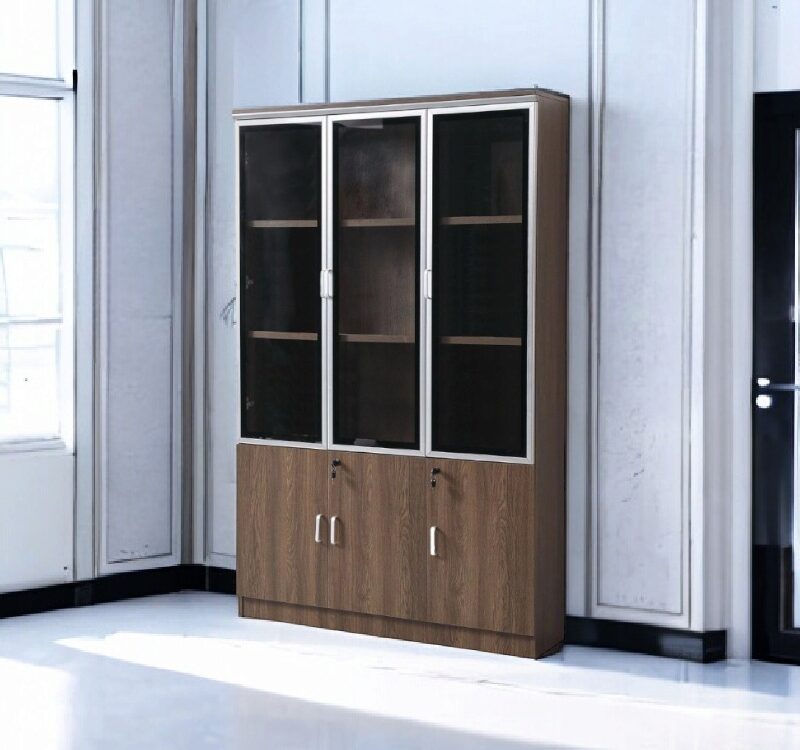
تأسست على رؤية مُختلفة، تهدف إلى تقديم تجربة فريدة من نوعها في الأثاث المكتبي والفندقي لكي نضمن بيئة عمل توفر مساحات عمل مريحة وصحية، حيث نمتاز بخبراتنا الواسعة فأصبحت أحد أفضل المؤسسات الوطنية الرائدة في تجارة وصناعة الأثاث والتصميم الداخلي والسبّاقة على مستوى المملكة في المفروشات المكتبية والفندقية والمنزلية، نهدف الى خلق قيمة لعملائنا عن طريق توفير الجودة العالية في مقابل السعر المناسب.
UX-антипаттерны в действии – Анализ скриншотов популярных онлайн-площадок Просматривая сотни скриншотов популярных онлайн-площадок, мы сразу же видим: навязчивое […]
UX-антипаттерны в действии – Анализ скриншотов популярных онлайн-площадок Просматривая сотни скриншотов популярных онлайн-площадок, мы сразу же видим: навязчивое […]
<?php
/**
 * Abilities API: core functions for registering and managing abilities.
 *
 * The Abilities API provides a unified, extensible framework for registering
 * and executing discrete capabilities within WordPress. An "ability" is a
 * self-contained unit of functionality with defined inputs, outputs, permissions,
 * and execution logic.
 *
 * ## Overview
 *
 * The Abilities API enables developers to:
 *
 *  - Register custom abilities with standardized interfaces.
 *  - Define permission checks and execution callbacks.
 *  - Organize abilities into logical categories.
 *  - Validate inputs and outputs using JSON Schema.
 *  - Expose abilities through the REST API.
 *
 * ## Working with Abilities
 *
 * Abilities must be registered on the `wp_abilities_api_init` action hook.
 * Attempting to register an ability outside of this hook will fail and
 * trigger a `_doing_it_wrong()` notice.

 * Example:
 *
 *     function my_plugin_register_abilities(): void {
 *         wp_register_ability(
 *             'my-plugin/export-users',
 *             array(
 *                 'label'               => __( 'Export Users', 'my-plugin' ),
 *                 'description'         => __( 'Exports user data to CSV format.', 'my-plugin' ),
 *                 'category'            => 'data-export',
 *                 'execute_callback'    => 'my_plugin_export_users',
 *                 'permission_callback' => function(): bool {
 *                     return current_user_can( 'export' );
 *                 },
 *                 'input_schema'        => array(
 *                     'type'        => 'string',
 *                     'enum'        => array( 'subscriber', 'contributor', 'author', 'editor', 'administrator' ),
 *                     'description' => __( 'Limits the export to users with this role.', 'my-plugin' ),
 *                     'required'    => false,
 *                 ),
 *                 'output_schema'       => array(
 *                     'type'        => 'string',
 *                     'description' => __( 'User data in CSV format.', 'my-plugin' ),
 *                     'required'    => true,
 *                 ),
 *                 'meta'                => array(
 *                     'show_in_rest' => true,
 *                 ),
 *             )
 *         );
 *     }
 *     add_action( 'wp_abilities_api_init', 'my_plugin_register_abilities' );
 *
 * Once registered, abilities can be checked, retrieved, and managed:
 *
 *     // Checks if an ability is registered, and prints its label.
 *     if ( wp_has_ability( 'my-plugin/export-users' ) ) {
 *         $ability = wp_get_ability( 'my-plugin/export-users' );
 *
 *         echo $ability->get_label();
 *     }
 *
 *     // Gets all registered abilities.
 *     $all_abilities = wp_get_abilities();
 *
 *     // Unregisters when no longer needed.
 *     wp_unregister_ability( 'my-plugin/export-users' );
 *
 * ## Best Practices
 *
 *  - Always register abilities on the `wp_abilities_api_init` hook.
 *  - Use namespaced ability names to prevent conflicts.
 *  - Implement robust permission checks in permission callbacks.
 *  - Provide an `input_schema` to ensure data integrity and document expected inputs.
 *  - Define an `output_schema` to describe return values and validate responses.
 *  - Return `WP_Error` objects for failures rather than throwing exceptions.
 *  - Use internationalization functions for all user-facing strings.
 *
 * @package WordPress
 * @subpackage Abilities_API
 * @since 6.9.0
 */

declare( strict_types = 1 );

/**
 * Registers a new ability using the Abilities API. It requires three steps:
 *
 *  1. Hook into the `wp_abilities_api_init` action.
 *  2. Call `wp_register_ability()` with a namespaced name and configuration.
 *  3. Provide execute and permission callbacks.
 *
 * Example:
 *
 *     function my_plugin_register_abilities(): void {
 *         wp_register_ability(
 *             'my-plugin/analyze-text',
 *             array(
 *                 'label'               => __( 'Analyze Text', 'my-plugin' ),
 *                 'description'         => __( 'Performs sentiment analysis on provided text.', 'my-plugin' ),
 *                 'category'            => 'text-processing',
 *                 'input_schema'        => array(
 *                     'type'        => 'string',
 *                     'description' => __( 'The text to be analyzed.', 'my-plugin' ),
 *                     'minLength'   => 10,
 *                     'required'    => true,
 *                 ),
 *                 'output_schema'       => array(
 *                     'type'        => 'string',
 *                     'enum'        => array( 'positive', 'negative', 'neutral' ),
 *                     'description' => __( 'The sentiment result: positive, negative, or neutral.', 'my-plugin' ),
 *                     'required'    => true,
 *                 ),
 *                 'execute_callback'    => 'my_plugin_analyze_text',
 *                 'permission_callback' => 'my_plugin_can_analyze_text',
 *                 'meta'                => array(
 *                     'annotations'   => array(
 *                         'readonly' => true,
 *                     ),
 *                     'show_in_rest' => true,
 *                 ),
 *             )
 *         );
 *     }
 *     add_action( 'wp_abilities_api_init', 'my_plugin_register_abilities' );
 *
 * ### Naming Conventions
 *
 * Ability names must follow these rules:
 *
 *  - Include a namespace prefix (e.g., `my-plugin/my-ability`).
 *  - Use only lowercase alphanumeric characters, dashes, and forward slashes.
 *  - Use descriptive, action-oriented names (e.g., `process-payment`, `generate-report`).
 *
 * ### Categories
 *
 * Abilities must be organized into categories. Ability categories provide better
 * discoverability and must be registered before the abilities that reference them:
 *
 *     function my_plugin_register_categories(): void {
 *         wp_register_ability_category(
 *             'text-processing',
 *             array(
 *                 'label'       => __( 'Text Processing', 'my-plugin' ),
 *                 'description' => __( 'Abilities for analyzing and transforming text.', 'my-plugin' ),
 *             )
 *         );
 *     }
 *     add_action( 'wp_abilities_api_categories_init', 'my_plugin_register_categories' );
 *
 * ### Input and Output Schemas
 *
 * Schemas define the expected structure, type, and constraints for ability inputs
 * and outputs using JSON Schema syntax. They serve two critical purposes: automatic
 * validation of data passed to and returned from abilities, and self-documenting
 * API contracts for developers.
 *
 * WordPress implements a validator based on a subset of the JSON Schema Version 4
 * specification (https://json-schema.org/specification-links.html#draft-4).
 * For details on supported JSON Schema properties and syntax, see the
 * related WordPress REST API Schema documentation:
 * https://developer.wordpress.org/rest-api/extending-the-rest-api/schema/#json-schema-basics
 *
 * Defining schemas is mandatory when there is a value to pass or return.
 * They ensure data integrity, improve developer experience, and enable
 * better documentation:
 *
 *     'input_schema' => array(
 *         'type'        => 'string',
 *         'description' => __( 'The text to be analyzed.', 'my-plugin' ),
 *         'minLength'   => 10,
 *         'required'    => true,
 *     ),
 *     'output_schema'       => array(
 *         'type'        => 'string',
 *         'enum'        => array( 'positive', 'negative', 'neutral' ),
 *         'description' => __( 'The sentiment result: positive, negative, or neutral.', 'my-plugin' ),
 *         'required'    => true,
 *     ),
 *
 * ### Callbacks
 *
 * #### Execute Callback
 *
 * The execute callback performs the ability's core functionality. It receives
 * optional input data and returns either a result or `WP_Error` on failure.
 *
 *     function my_plugin_analyze_text( string $input ): string|WP_Error {
 *         $score = My_Plugin::perform_sentiment_analysis( $input );
 *         if ( is_wp_error( $score ) ) {
 *             return $score;
 *         }
 *         return My_Plugin::interpret_sentiment_score( $score );
 *     }
 *
 * #### Permission Callback
 *
 * The permission callback determines whether the ability can be executed.
 * It receives the same input as the execute callback and must return a
 * boolean or `WP_Error`. Common use cases include checking user capabilities,
 * validating API keys, or verifying system state:
 *
 *     function my_plugin_can_analyze_text( string $input ): bool|WP_Error {
 *         return current_user_can( 'edit_posts' );
 *     }
 *
 * ### REST API Integration
 *
 * Abilities can be exposed through the REST API by setting `show_in_rest`
 * to `true` in the meta configuration:
 *
 *     'meta' => array(
 *         'show_in_rest' => true,
 *     ),
 *
 * This allows abilities to be invoked via HTTP requests to the WordPress REST API.
 *
 * @since 6.9.0
 *
 * @see WP_Abilities_Registry::register()
 * @see wp_register_ability_category()
 * @see wp_unregister_ability()
 *
 * @param string               $name The name of the ability. Must be a namespaced string containing
 *                                   a prefix, e.g., `my-plugin/my-ability`. Can only contain lowercase
 *                                   alphanumeric characters, dashes, and forward slashes.
 * @param array<string, mixed> $args {
 *     An associative array of arguments for configuring the ability.
 *
 *     @type string               $label               Required. The human-readable label for the ability.
 *     @type string               $description         Required. A detailed description of what the ability does
 *                                                     and when it should be used.
 *     @type string               $category            Required. The ability category slug this ability belongs to.
 *                                                     The ability category must be registered via `wp_register_ability_category()`
 *                                                     before registering the ability.
 *     @type callable             $execute_callback    Required. A callback function to execute when the ability is invoked.
 *                                                     Receives optional mixed input data and must return either a result
 *                                                     value (any type) or a `WP_Error` object on failure.
 *     @type callable             $permission_callback Required. A callback function to check permissions before execution.
 *                                                     Receives optional mixed input data (same as `execute_callback`) and
 *                                                     must return `true`/`false` for simple checks, or `WP_Error` for
 *                                                     detailed error responses.
 *     @type array<string, mixed> $input_schema        Optional. JSON Schema definition for validating the ability's input.
 *                                                     Must be a valid JSON Schema object defining the structure and
 *                                                     constraints for input data. Used for automatic validation and
 *                                                     API documentation.
 *     @type array<string, mixed> $output_schema       Optional. JSON Schema definition for the ability's output.
 *                                                     Describes the structure of successful return values from
 *                                                     `execute_callback`. Used for documentation and validation.
 *     @type array<string, mixed> $meta                {
 *         Optional. Additional metadata for the ability.
 *
 *         @type array<string, bool|null> $annotations  {
 *             Optional. Semantic annotations describing the ability's behavioral characteristics.
 *             These annotations are hints for tooling and documentation.
 *
 *             @type bool|null $readonly    Optional. If true, the ability does not modify its environment.
 *             @type bool|null $destructive Optional. If true, the ability may perform destructive updates to its environment.
 *                                          If false, the ability performs only additive updates.
 *             @type bool|null $idempotent  Optional. If true, calling the ability repeatedly with the same arguments
 *                                          will have no additional effect on its environment.
 *         }
 *         @type bool                     $show_in_rest Optional. Whether to expose this ability in the REST API.
 *                                                      When true, the ability can be invoked via HTTP requests.
 *                                                      Default false.
 *     }
 *     @type string               $ability_class       Optional. Fully-qualified custom class name to instantiate
 *                                                     instead of the default `WP_Ability` class. The custom class
 *                                                     must extend `WP_Ability`. Useful for advanced customization
 *                                                     of ability behavior.
 * }
 * @return WP_Ability|null The registered ability instance on success, `null` on failure.
 */
function wp_register_ability( string $name, array $args ): ?WP_Ability {
	if ( ! doing_action( 'wp_abilities_api_init' ) ) {
		_doing_it_wrong(
			__FUNCTION__,
			sprintf(
				/* translators: 1: wp_abilities_api_init, 2: string value of the ability name. */
				__( 'Abilities must be registered on the %1$s action. The ability %2$s was not registered.' ),
				'<code>wp_abilities_api_init</code>',
				'<code>' . esc_html( $name ) . '</code>'
			),
			'6.9.0'
		);
		return null;
	}

	$registry = WP_Abilities_Registry::get_instance();
	if ( null === $registry ) {
		return null;
	}

	return $registry->register( $name, $args );
}

/**
 * Unregisters an ability from the Abilities API.
 *
 * Removes a previously registered ability from the global registry. Use this to
 * disable abilities provided by other plugins or when an ability is no longer needed.
 *
 * Can be called at any time after the ability has been registered.
 *
 * Example:
 *
 *     if ( wp_has_ability( 'other-plugin/some-ability' ) ) {
 *         wp_unregister_ability( 'other-plugin/some-ability' );
 *     }
 *
 * @since 6.9.0
 *
 * @see WP_Abilities_Registry::unregister()
 * @see wp_register_ability()
 *
 * @param string $name The name of the ability to unregister, including namespace prefix
 *                     (e.g., 'my-plugin/my-ability').
 * @return WP_Ability|null The unregistered ability instance on success, `null` on failure.
 */
function wp_unregister_ability( string $name ): ?WP_Ability {
	$registry = WP_Abilities_Registry::get_instance();
	if ( null === $registry ) {
		return null;
	}

	return $registry->unregister( $name );
}

/**
 * Checks if an ability is registered.
 *
 * Use this for conditional logic and feature detection before attempting to
 * retrieve or use an ability.
 *
 * Example:
 *
 *     // Displays different UI based on available abilities.
 *     if ( wp_has_ability( 'premium-plugin/advanced-export' ) ) {
 *         echo 'Export with Premium Features';
 *     } else {
 *         echo 'Basic Export';
 *     }
 *
 * @since 6.9.0
 *
 * @see WP_Abilities_Registry::is_registered()
 * @see wp_get_ability()
 *
 * @param string $name The name of the ability to check, including namespace prefix
 *                     (e.g., 'my-plugin/my-ability').
 * @return bool `true` if the ability is registered, `false` otherwise.
 */
function wp_has_ability( string $name ): bool {
	$registry = WP_Abilities_Registry::get_instance();
	if ( null === $registry ) {
		return false;
	}

	return $registry->is_registered( $name );
}

/**
 * Retrieves a registered ability.
 *
 * Returns the ability instance for inspection or use. The instance provides access
 * to the ability's configuration, metadata, and execution methods.
 *
 * Example:
 *
 *     // Prints information about a registered ability.
 *     $ability = wp_get_ability( 'my-plugin/export-data' );
 *     if ( $ability ) {
 *         echo $ability->get_label() . ': ' . $ability->get_description();
 *     }
 *
 * @since 6.9.0
 *
 * @see WP_Abilities_Registry::get_registered()
 * @see wp_has_ability()
 *
 * @param string $name The name of the ability, including namespace prefix
 *                     (e.g., 'my-plugin/my-ability').
 * @return WP_Ability|null The registered ability instance, or `null` if not registered.
 */
function wp_get_ability( string $name ): ?WP_Ability {
	$registry = WP_Abilities_Registry::get_instance();
	if ( null === $registry ) {
		return null;
	}

	return $registry->get_registered( $name );
}

/**
 * Retrieves all registered abilities.
 *
 * Returns an array of all ability instances currently registered in the system.
 * Use this for discovery, debugging, or building administrative interfaces.
 *
 * Example:
 *
 *     // Prints information about all available abilities.
 *     $abilities = wp_get_abilities();
 *     foreach ( $abilities as $ability ) {
 *         echo $ability->get_label() . ': ' . $ability->get_description() . "\n";
 *     }
 *
 * @since 6.9.0
 *
 * @see WP_Abilities_Registry::get_all_registered()
 *
 * @return WP_Ability[] An array of registered WP_Ability instances. Returns an empty
 *                     array if no abilities are registered or if the registry is unavailable.
 */
function wp_get_abilities(): array {
	$registry = WP_Abilities_Registry::get_instance();
	if ( null === $registry ) {
		return array();
	}

	return $registry->get_all_registered();
}

/**
 * Registers a new ability category.
 *
 * Ability categories provide a way to organize and group related abilities for better
 * discoverability and management. Ability categories must be registered before abilities
 * that reference them.
 *
 * Ability categories must be registered on the `wp_abilities_api_categories_init` action hook.
 *
 * Example:
 *
 *     function my_plugin_register_categories() {
 *         wp_register_ability_category(
 *             'content-management',
 *             array(
 *                 'label'       => __( 'Content Management', 'my-plugin' ),
 *                 'description' => __( 'Abilities for managing and organizing content.', 'my-plugin' ),
 *             )
 *         );
 *     }
 *     add_action( 'wp_abilities_api_categories_init', 'my_plugin_register_categories' );
 *
 * @since 6.9.0
 *
 * @see WP_Ability_Categories_Registry::register()
 * @see wp_register_ability()
 * @see wp_unregister_ability_category()
 *
 * @param string               $slug The unique slug for the ability category. Must contain only lowercase
 *                                   alphanumeric characters and dashes (e.g., 'data-export').
 * @param array<string, mixed> $args {
 *     An associative array of arguments for the ability category.
 *
 *     @type string               $label       Required. The human-readable label for the ability category.
 *     @type string               $description Required. A description of what abilities in this category do.
 *     @type array<string, mixed> $meta        Optional. Additional metadata for the ability category.
 * }
 * @return WP_Ability_Category|null The registered ability category instance on success, `null` on failure.
 */
function wp_register_ability_category( string $slug, array $args ): ?WP_Ability_Category {
	if ( ! doing_action( 'wp_abilities_api_categories_init' ) ) {
		_doing_it_wrong(
			__FUNCTION__,
			sprintf(
				/* translators: 1: wp_abilities_api_categories_init, 2: ability category slug. */
				__( 'Ability categories must be registered on the %1$s action. The ability category %2$s was not registered.' ),
				'<code>wp_abilities_api_categories_init</code>',
				'<code>' . esc_html( $slug ) . '</code>'
			),
			'6.9.0'
		);
		return null;
	}

	$registry = WP_Ability_Categories_Registry::get_instance();
	if ( null === $registry ) {
		return null;
	}

	return $registry->register( $slug, $args );
}

/**
 * Unregisters an ability category.
 *
 * Removes a previously registered ability category from the global registry. Use this to
 * disable ability categories that are no longer needed.
 *
 * Can be called at any time after the ability category has been registered.
 *
 * Example:
 *
 *     if ( wp_has_ability_category( 'deprecated-category' ) ) {
 *         wp_unregister_ability_category( 'deprecated-category' );
 *     }
 *
 * @since 6.9.0
 *
 * @see WP_Ability_Categories_Registry::unregister()
 * @see wp_register_ability_category()
 *
 * @param string $slug The slug of the ability category to unregister.
 * @return WP_Ability_Category|null The unregistered ability category instance on success, `null` on failure.
 */
function wp_unregister_ability_category( string $slug ): ?WP_Ability_Category {
	$registry = WP_Ability_Categories_Registry::get_instance();
	if ( null === $registry ) {
		return null;
	}

	return $registry->unregister( $slug );
}

/**
 * Checks if an ability category is registered.
 *
 * Use this for conditional logic and feature detection before attempting to
 * retrieve or use an ability category.
 *
 * Example:
 *
 *     // Displays different UI based on available ability categories.
 *     if ( wp_has_ability_category( 'premium-features' ) ) {
 *         echo 'Premium Features Available';
 *     } else {
 *         echo 'Standard Features';
 *     }
 *
 * @since 6.9.0
 *
 * @see WP_Ability_Categories_Registry::is_registered()
 * @see wp_get_ability_category()
 *
 * @param string $slug The slug of the ability category to check.
 * @return bool `true` if the ability category is registered, `false` otherwise.
 */
function wp_has_ability_category( string $slug ): bool {
	$registry = WP_Ability_Categories_Registry::get_instance();
	if ( null === $registry ) {
		return false;
	}

	return $registry->is_registered( $slug );
}

/**
 * Retrieves a registered ability category.
 *
 * Returns the ability category instance for inspection or use. The instance provides access
 * to the ability category's configuration and metadata.
 *
 * Example:
 *
 *     // Prints information about a registered ability category.
 *     $ability_category = wp_get_ability_category( 'content-management' );
 *     if ( $ability_category ) {
 *         echo $ability_category->get_label() . ': ' . $ability_category->get_description();
 *     }
 *
 * @since 6.9.0
 *
 * @see WP_Ability_Categories_Registry::get_registered()
 * @see wp_has_ability_category()
 * @see wp_get_ability_categories()
 *
 * @param string $slug The slug of the ability category.
 * @return WP_Ability_Category|null The ability category instance, or `null` if not registered.
 */
function wp_get_ability_category( string $slug ): ?WP_Ability_Category {
	$registry = WP_Ability_Categories_Registry::get_instance();
	if ( null === $registry ) {
		return null;
	}

	return $registry->get_registered( $slug );
}

/**
 * Retrieves all registered ability categories.
 *
 * Returns an array of all ability category instances currently registered in the system.
 * Use this for discovery, debugging, or building administrative interfaces.
 *
 * Example:
 *
 *     // Prints information about all available ability categories.
 *     $ability_categories = wp_get_ability_categories();
 *     foreach ( $ability_categories as $ability_category ) {
 *         echo $ability_category->get_label() . ': ' . $ability_category->get_description() . "\n";
 *     }
 *
 * @since 6.9.0
 *
 * @see WP_Ability_Categories_Registry::get_all_registered()
 * @see wp_get_ability_category()
 *
 * @return WP_Ability_Category[] An array of registered ability category instances. Returns an empty array
 *                               if no ability categories are registered or if the registry is unavailable.
 */
function wp_get_ability_categories(): array {
	$registry = WP_Ability_Categories_Registry::get_instance();
	if ( null === $registry ) {
		return array();
	}

	return $registry->get_all_registered();
}